
European Shorthair
The European Shorthair is a natural breed developed from the common house cats of Europe. Robust, adaptable, and friendly, these versatile cats are prized for their easygoing nature and exceptional health.
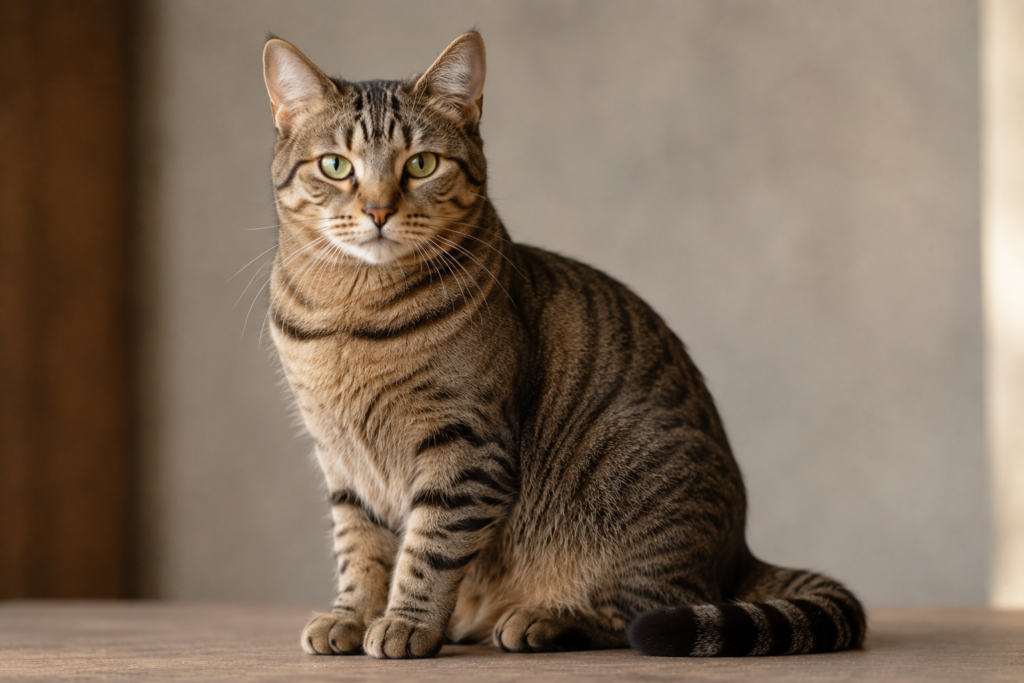
About the European Shorthair
History and Origins
The European Shorthair — sometimes called the Celtic Shorthair — is the pedigreed version of the ordinary domestic cat that has lived across Europe for well over a thousand years. Their ancestors were the working cats the Romans spread throughout the continent, valued for centuries as hardy, self-sufficient mousers on farms, in towns, and aboard ships.
For most of history these cats simply bred naturally, without human design. In the 1980s, breeders — particularly in the Nordic countries — set out to standardize the best examples into an official breed, and the Fédération Internationale Féline (FIFe) recognized the European Shorthair in 1982. The goal was deliberately conservative: to preserve the natural, healthy, well-balanced European cat rather than exaggerate any feature. It remains popular in continental Europe, especially Scandinavia, though less common elsewhere.
Personality and Temperament
Because the European Shorthair was bred to stay natural, its personality is wonderfully balanced and adaptable — though it can vary more from cat to cat than in highly refined breeds. In general, these are friendly, easygoing, and affectionate cats that bond well with their families without being overly demanding.
They tend to be confident, intelligent, and playful, retaining the sharp instincts and excellent hunting ability of their working-cat ancestors. At the same time they’re calm and undemanding enough to make relaxed household companions. European Shorthairs usually get along well with children and other pets, and their adaptable, level-headed nature helps them settle into almost any home — from a busy family house to a quieter apartment.
Care and Grooming
Few breeds are easier to care for. The European Shorthair’s short, dense coat needs only a weekly brush to remove loose hair and keep it healthy, with a little more attention during seasonal shedding. They shed a moderate amount but rarely develop mats, making grooming a quick and simple routine.
Because they’re active, athletic cats with strong hunting instincts, they do appreciate enrichment: toys, scratching posts, climbing spaces, and daily play keep them engaged and fit. Like many easy-keeping breeds, they can be prone to weight gain if overfed and under-exercised, so measured meals and activity help keep them trim. Round out care with routine nail trims, ear checks, and dental hygiene.
Health and Lifespan
The European Shorthair is one of the healthiest breeds you can choose — a direct benefit of its natural, un-manipulated development. With a broad gene pool and no exaggerated physical features, it has no significant breed-specific genetic diseases and is famously robust, frequently living 15–20 years.
This natural hardiness is a major part of the breed’s appeal, but “generally healthy” never means care-free. Like all cats, European Shorthairs benefit from routine veterinary checkups, dental care, parasite prevention, a healthy weight, and a quality diet. Buying from a reputable source and providing good everyday care will help this sturdy breed thrive well into its senior years.
Cost and Is the European Shorthair Right for You?
A European Shorthair kitten from a reputable breeder generally costs $500 to $1,000, most readily found in continental Europe where the breed is popular; elsewhere it’s uncommon and may require seeking out a specialist breeder. (Note that a pedigreed European Shorthair is distinct from an ordinary mixed-breed domestic shorthair, despite the similar look.)
The European Shorthair is an excellent choice for almost any home. Its friendly, adaptable, low-maintenance nature and outstanding health make it ideal for families, first-time owners, and busy households alike, and it handles both lively and quiet homes with ease. It’s less ideal only for those specifically wanting an exotic look or a highly predictable “designer” temperament, since the breed’s charm lies in its natural, everyday-cat balance.
Frequently Asked Questions
Though related, they differ in build and refinement. The European Shorthair is more natural and moderate — an athletic, everyday European cat — while the British Shorthair is stockier and rounder ("cobby"), with a broader face and plush coat, refined over time partly through Persian outcrossing. The European Shorthair was deliberately kept close to the natural domestic cat, making it leaner and more varied.
It depends where you are. In continental Europe, especially the Nordic countries, the pedigreed European Shorthair is well established and reasonably common. Elsewhere — including North America — it's quite rare as a recognized breed, partly because it looks so similar to ordinary domestic shorthairs. Finding a pedigreed European Shorthair outside Europe usually means seeking out a specialist breeder.
Generally friendly, easygoing, and adaptable, though it can vary more from cat to cat than in highly refined breeds. Most are affectionate without being demanding, confident, intelligent, and playful, with strong hunting instincts from their working-cat heritage. They tend to get along well with children and other pets and settle comfortably into most homes, making them balanced, low-drama companions.
Exceptionally so. Because the breed developed naturally with a broad gene pool and no exaggerated features, it has no significant breed-specific inherited diseases and is famously robust and long-lived, often reaching 15–20 years. This natural hardiness is one of its biggest attractions. As with any cat, routine veterinary care, a healthy weight, and good nutrition help it live a long, healthy life.
The European Shorthair descends from the common domestic cats spread across Europe by the Romans over two thousand years ago, long valued as hardy mousers. It bred naturally for centuries before breeders — especially in the Nordic countries — standardized it into an official breed, recognized by FIFe in 1982. In essence, it's the pedigreed form of the classic European house cat.