Why Is My Cat Peeing Everywhere?
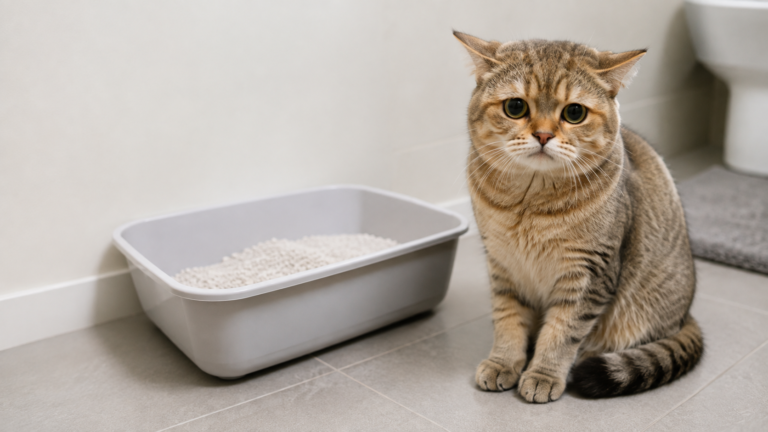
First: your cat is not doing this out of spite Let's clear up the most common myth right away. When a cat…
Read articlePractical, easy-to-read guidance on keeping your cat healthy — appetite and thirst, weight, grooming, and the early warning signs that deserve a vet visit. These articles help you tell an ordinary quirk from a genuine symptom, so you know what to watch and when to act. Informational only: they do not replace a diagnosis from your veterinarian.
3 articles
First: your cat is not doing this out of spite Let's clear up the most common myth right away. When a cat…
Read article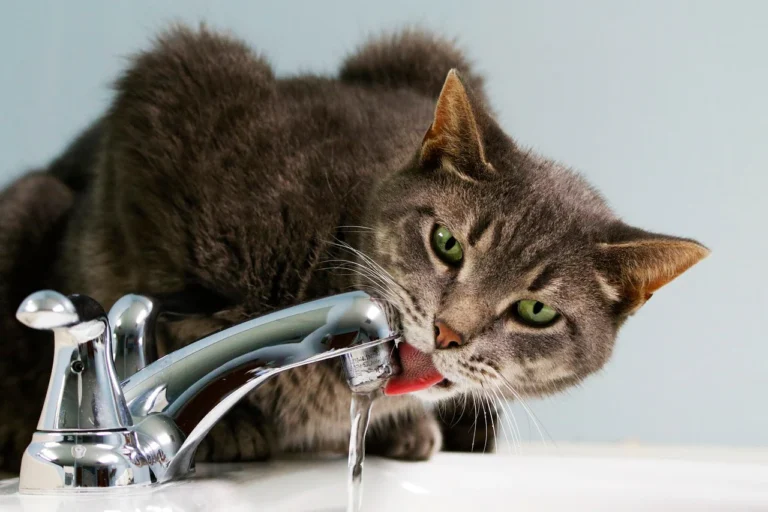
If your cat suddenly starts guzzling water like it’s summer in the Sahara, it’s time to pay attention. Cats aren’t known for…
Read article
You just fed them. You watched them eat. And yet here they are again — winding around your ankles, yelling at the…
Read articleCats are famously good at hiding illness. In the wild, an animal that looks weak becomes a target, and that instinct has not gone anywhere — which is why owners often notice something is wrong only once a problem is well established. Learning your cat's normal baseline for appetite, thirst, weight, energy and litter box habits is the single most useful thing you can do for their health.
This section covers the questions owners ask most often: why a cat is suddenly always hungry, what excessive thirst can indicate, how to tell ordinary grooming from over-grooming, and which symptoms justify a same-week vet appointment. Each article explains what is normal, what is a yellow flag, and what should be treated as urgent.
These guides are informational and written for cat owners, not clinicians. They are intended to help you notice changes early and ask better questions at the clinic — they cannot replace an examination, and nothing here should be used to diagnose or treat a cat on your own. If something seems wrong, your veterinarian is always the right next step.
Roughly 50 ml per kilogram of body weight per day, including moisture from food. Cats on wet food drink noticeably less than cats on dry food, so what matters most is a change from your own cat's normal pattern.
It can be. Persistent excessive drinking is one of the classic early signs of kidney disease, diabetes and hyperthyroidism, all of which are far easier to manage when caught early. If it lasts more than a few days, book a vet visit.
Increased appetite combined with weight loss is a pattern worth investigating, as it can point to hyperthyroidism, diabetes or parasites. It is one of the few symptoms that warrants a vet appointment even when the cat otherwise seems bright and active.