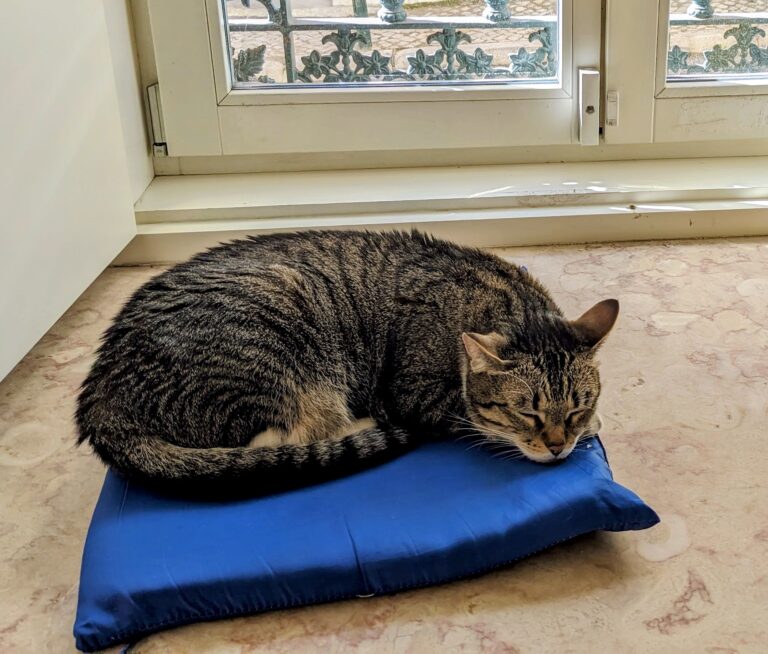
How Long Do Cats Live?
Indoor cats typically live 12 to 18 years, and reaching the early twenties is no longer remarkable. Outdoor cats average far less…
Read articleThe lighter side of life with cats: surprising facts, myths worth busting, and the odd trivia that makes felines such good company. From what catnip actually does to a cat’s brain to why some breeds are born without a tail, these pieces are short, fact-checked and made for sharing.
7 articles
Indoor cats typically live 12 to 18 years, and reaching the early twenties is no longer remarkable. Outdoor cats average far less…
Read article
What is a group of cats called? A clowder. That is the answer most people are after, and it comes with a…
Read article
Whiskers are not decoration and they are not hair in any ordinary sense. They are precision sensory instruments, rooted three times deeper…
Read article
Cats have one life, the same as everything else. The saying is folklore, not biology — but it survived for centuries because…
Read article
The great cardboard mystery You spend good money on a fancy cat bed or a deluxe toy. Your cat sniffs it once,…
Read article
The herb that turns cats into cartoons You sprinkle a pinch of dried green leaves on the floor, and within seconds your…
Read article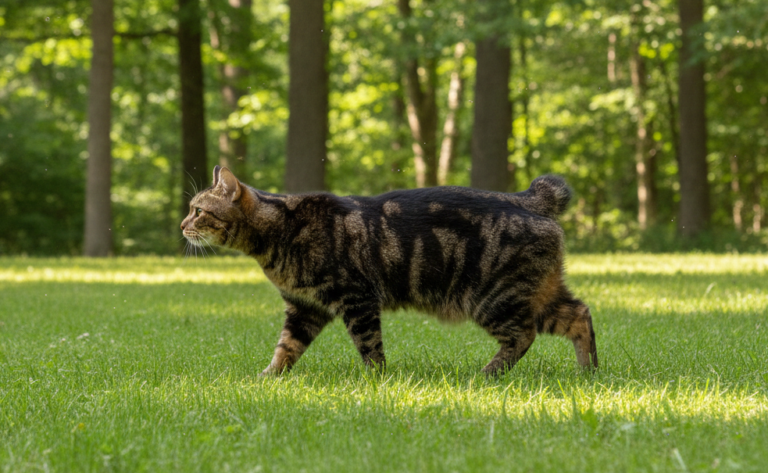
At first glance, the Manx cat looks like it forgot something important — its tail. The breed’s signature rounded rump and rabbit-like…
Read articleCats have shared our homes for roughly ten thousand years, and they have collected an impressive amount of folklore along the way. Some of it is true, a surprising amount of it is not. This section separates the two, with short pieces built on veterinary and behavioural research rather than repetition.
You will find the genuinely odd corners of feline biology here: what catnip actually does to a cat's brain and why roughly a third of cats are immune to it, how whiskers work as precision measuring instruments, why some breeds are born without tails, and where common myths — nine lives, always landing on their feet, seeing in total darkness — came from and what the reality is.
These articles are deliberately short and easy to share. If a fact here changes how you look at your own cat, the Behavior and Health sections go deeper on what it means in daily life.
The compound nepetalactone binds to receptors in a cat's nose and triggers a short, harmless euphoric response lasting about ten minutes. Sensitivity is inherited, and an estimated 30 to 50 percent of cats do not react to it at all.
No. Cats need roughly one sixth of the light humans do, thanks to a reflective layer behind the retina called the tapetum lucidum, but in total darkness they see nothing and navigate by whiskers, hearing and memory instead.
No. The Manx gene produces a range of tail lengths, from completely tailless "rumpy" cats to "longy" Manx with a nearly full tail. Tail length can vary between kittens in a single litter.