
LaPerm
The LaPerm is a curly-coated breed known for its unique, springy ringlets and affectionate personality. These gentle, inquisitive cats make loving, low-maintenance companions for families.
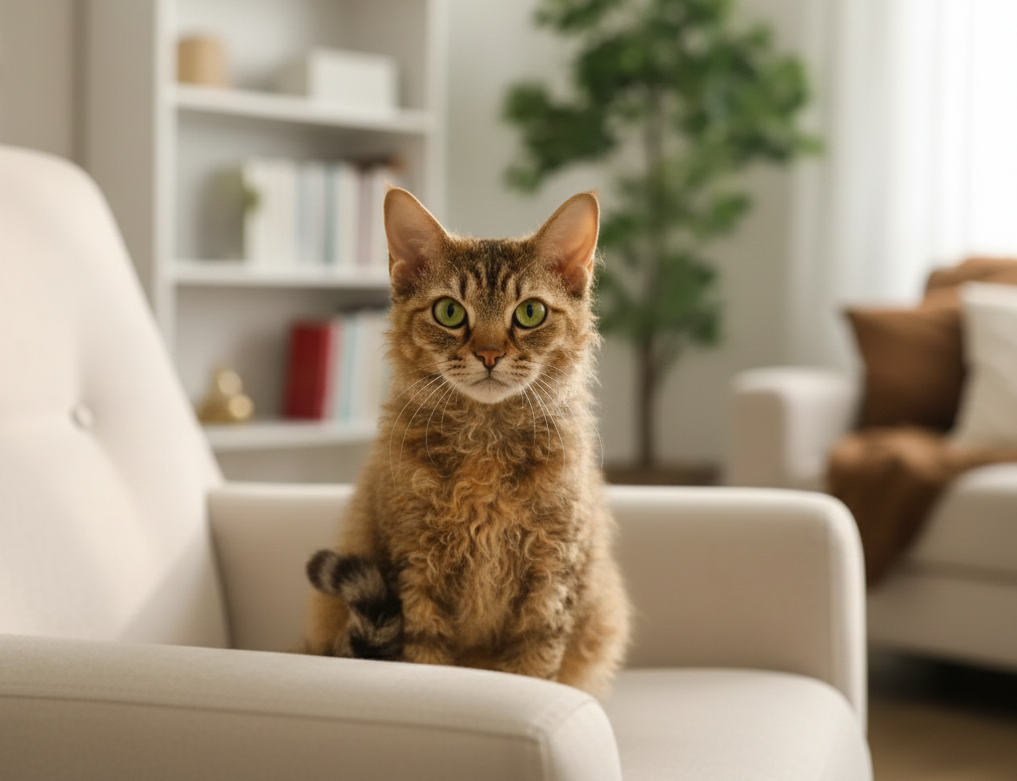
About the LaPerm
History and Origins
The LaPerm is a “rex” breed — one of several with a curly coat — that began by happy accident. In 1982, on a farm in Oregon, a barn cat gave birth to a kitten that was born completely bald. As she grew, this odd kitten — named Curly — developed a soft, curly coat, and she passed the trait to her own kittens. Farm owner Linda Koehl noticed the curls spreading through her working cats and began developing them into a breed.
The name “LaPerm” nods to the coat’s permed, wavy look. The curl comes from a dominant genetic mutation — distinct from the recessive curls of the Cornish and Devon Rex — and appeared entirely naturally in a barn-cat population. The breed gained championship recognition in the 2000s and, thanks to its varied working-cat origins, enjoys good genetic diversity.
Personality and Temperament
LaPerms are gentle, affectionate, and deeply people-oriented. They love being close to their families and often seek out laps, shoulders, and warm spots beside their favorite person — yet they manage this without being overly demanding, making them easygoing companions. Many LaPerms use their paws to investigate and interact, gently patting at faces and objects.
They are also curious, clever, and playful, staying active and inquisitive well into adulthood. LaPerms enjoy interactive games, climbing, and exploring, and their friendly, adaptable nature makes them get along well with children, dogs, and other cats. Sociable and warm without being clingy, the LaPerm is an engaging, loving companion that fits comfortably into most households.
Care and Grooming
One of the LaPerm’s best features is how low-maintenance its distinctive coat is. The soft, springy curls — which come in both short- and long-haired varieties — have little dense undercoat, so they rarely mat and need only occasional grooming. A gentle comb-through once a week is usually enough; over-brushing can actually loosen the curl and cause frizz, so a light touch is best. Let the coat air-dry after any bath to preserve the natural ringlets.
LaPerms shed very little, which is part of their appeal. Beyond coat care, they need only the usual routine: weekly ear checks, regular nail trims, and dental hygiene. Being active and social, they also appreciate toys, climbing spaces, and daily interaction to keep their curious minds engaged.
Health and Lifespan
The LaPerm is a generally healthy, hardy breed with a typical lifespan of 12–15 years. Because it developed from a diverse population of working barn cats — and because breeders continue to allow outcrossing to maintain genetic variety — the LaPerm has a broad, healthy gene pool and no significant breed-specific genetic diseases. The curl mutation itself is not associated with any health problems.
As with any cat, good care makes the difference: buy from a reputable breeder, keep your LaPerm at a healthy weight, feed a quality diet, and maintain regular veterinary and dental checkups. Barring the usual feline health considerations, LaPerms tend to be robust, long-lived, easy-keeping companions.
Cost and Is the LaPerm Right for You?
A LaPerm kitten from a reputable breeder generally costs $600 to $1,200 in the United States, with show-quality lines running higher. The breed is relatively uncommon, so expect to find a specialist breeder and possibly a short waitlist.
The LaPerm is an excellent fit for people who want an affectionate, gentle, and distinctive-looking companion without demanding grooming or health worries. Their easygoing, adaptable nature suits families with children, multi-pet homes, and first-time owners, and their low shedding appeals to those who dislike cat hair. They are less ideal only for anyone wanting a very independent, aloof cat, since LaPerms genuinely enjoy being close to their people.
Frequently Asked Questions
No cat is truly hypoallergenic, and the LaPerm is no exception. However, because they shed very little, some allergy sufferers tolerate them better than other breeds, and they're often mentioned as a lower-shedding option. They still produce the Fel d 1 allergen, so anyone with allergies should spend time with a LaPerm before committing to be sure of their reaction.
Very little. The LaPerm's curly, undercoat-light coat sheds far less than most breeds, which is one of its most popular traits. The loose hairs that do come out tend to stay caught in the curls rather than covering your furniture. This low-shedding quality, combined with minimal grooming needs, makes the LaPerm a tidy, easy-care companion.
Grooming is easy — a gentle comb-through about once a week is usually enough. Avoid over-brushing, which can pull the curls straight and cause frizz; a light touch preserves the springy ringlets. After any bath, let the coat air-dry rather than blow-drying, to keep the natural curl. Add routine ear checks, nail trims, and dental care, and the LaPerm's coat practically looks after itself.
Yes, fairly rare. The LaPerm is an uncommon breed with relatively few breeders worldwide, so kittens can take some searching to find and may come with a waitlist. Its rarity, combined with its distinctive curly coat and affectionate nature, makes it a special find. Always seek out a reputable breeder rather than an unverified source when looking for a genuine LaPerm.
Yes — it's a well-known quirk of the breed. Many LaPerm kittens are born bald or with very short, sparse hair, and some even lose their coat before regrowing it. Their curly coat then develops over the following weeks and months, sometimes changing in texture as they mature. The breed's very first cat, Curly, was famously born bald before developing her signature curls.