
American Curl
The American Curl is instantly recognized by its unique backward-curling ears and sweet, playful personality. These adaptable, affectionate cats keep their kitten-like energy well into old age.
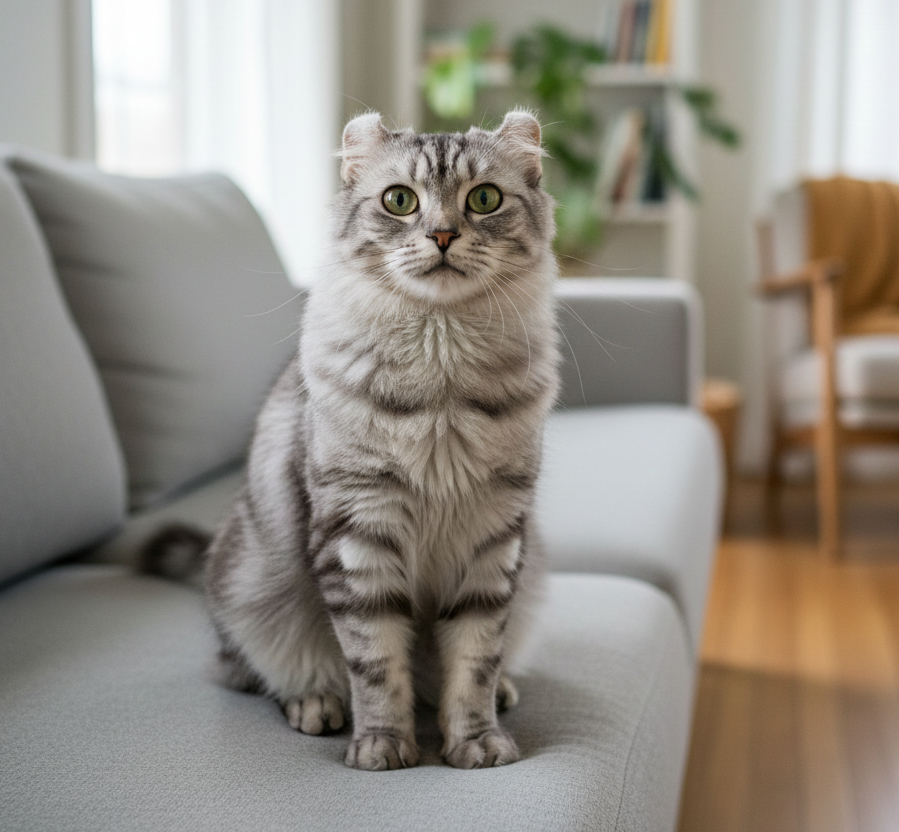
About the American Curl
History and Origins
The American Curl is a young breed with a charming origin story. In 1981, in Lakewood, California, a stray black kitten with unusual ears that curled backward wandered up to a couple’s doorstep. They named her Shulamith, and when she had kittens, some inherited her curled ears. Cat fanciers recognized that a new, natural mutation had appeared, and every American Curl alive today descends from Shulamith.
The breed developed quickly, gaining recognition from The International Cat Association and the Cat Fanciers’ Association within about a decade — remarkably fast. The curled ears come from a dominant genetic mutation, and unlike some other signature-trait breeds, this one is not linked to health problems (more on that below), which helped the American Curl win acceptance.
Personality and Temperament
American Curls are often called the “Peter Pan” of cats because they stay playful, curious, and kitten-like throughout their lives. They are affectionate and genuinely people-oriented, bonding closely with their families and enjoying being part of daily activities — following you around, “helping” with tasks, and greeting you at the door.
Importantly, they are affectionate without being demanding or clingy, striking a lovely balance between devoted and easygoing. They are intelligent and adaptable, adjusting well to new homes, routines, children, dogs, and other cats. Many enjoy gentle games, learning tricks, and perching near their favorite person. Sweet-natured, sociable, and endlessly youthful, the American Curl makes a warm, engaging, low-drama companion.
Care and Grooming
Grooming is easy and depends on coat length, since American Curls come in both short- and long-haired varieties. The silky coat has little undercoat, so it resists matting: shorthairs need only a weekly brush, while longhairs benefit from brushing two to three times a week. They shed a moderate amount.
The ears deserve special, gentle attention. The curled shape can mean the ear canals collect a bit more wax and debris, so check and clean them regularly to prevent irritation or infection. Handle the ears carefully — the cartilage is firm, and you should never try to straighten or bend them, as forcing them can cause injury. Beyond that, keep up with routine nail trims and dental care.
Health and Lifespan
Here’s the reassuring part: the American Curl is a genuinely healthy, robust breed, typically living 12–16 years. Critically — and unlike the Scottish Fold, whose folded-ear gene causes cartilage and joint disease — the American Curl’s ear mutation affects only the shape of the outer ear and is not associated with any health problems. Even cats with two copies of the curl gene are healthy.
Because the breed also has a broad genetic base (outcrossing to non-pedigreed domestic cats is permitted), it enjoys good genetic diversity and few inherited conditions. The main ongoing care point is simply keeping those curled ears clean. As always, buy from a reputable breeder, keep your cat at a healthy weight, and maintain regular veterinary checkups.
Cost and Is the American Curl Right for You?
An American Curl kitten from a reputable breeder generally costs $800 to $2,000 in the United States, with fully curled show-quality ears at the higher end (kittens are graded by the degree of ear curl). The breed is relatively uncommon, so expect to seek out a specialist breeder.
The American Curl is a wonderful choice for almost any home — families, first-time owners, and multi-pet households alike. Their affectionate but undemanding nature, playful longevity, adaptability, and excellent health make them easy, rewarding companions. They are less ideal only for those wanting a very independent, aloof cat, since Curls do love being involved in family life.
Frequently Asked Questions
Yes — they are one of the healthier pedigreed breeds. Crucially, unlike the Scottish Fold, the American Curl's ear mutation affects only the shape of the outer ear and is not linked to cartilage, bone, or joint disease. The breed also has good genetic diversity thanks to permitted outcrossing. The main care point is simply keeping the curled ears clean.
No — all American Curl kittens are born with straight ears. The ears begin to curl backward within the first few days to weeks of life, tightening and "setting" into their final shape by around four months of age. During this time the degree of curl becomes clear, and breeders grade kittens accordingly. Some kittens keep straight ears and are called "straight-eared" Curls.
You can gently touch them, but never force, bend, or try to straighten them. The curled ear has firm cartilage, and rough handling can hurt the cat or damage the ear. Handle the ears softly, as you would any cat's, and clean them gently and regularly. If you're ever unsure about ear care, your vet can show you the safe technique.
The curl itself causes no health problems, but the shape can make the ear canals a little more prone to collecting wax and debris. Regular, gentle cleaning prevents buildup, irritation, or infection. Aside from routine ear care, American Curls don't have breed-specific ear disorders — their signature feature is cosmetic, not a medical concern like some other breeds' traits.
An American Curl kitten from a reputable breeder typically costs $800 to $2,000 in the United States, with price influenced by the degree of ear curl (show-quality, tightly curled ears cost more) and lineage. The breed is relatively rare, so expect a specialist breeder and possibly a waitlist. As always, prioritize a healthy, well-socialized kitten over appearance alone.