
Persian
The Persian is a regal breed known for its luxurious long coat and sweet, calm demeanor. These beautiful cats prefer a peaceful environment and make devoted, affectionate companions.
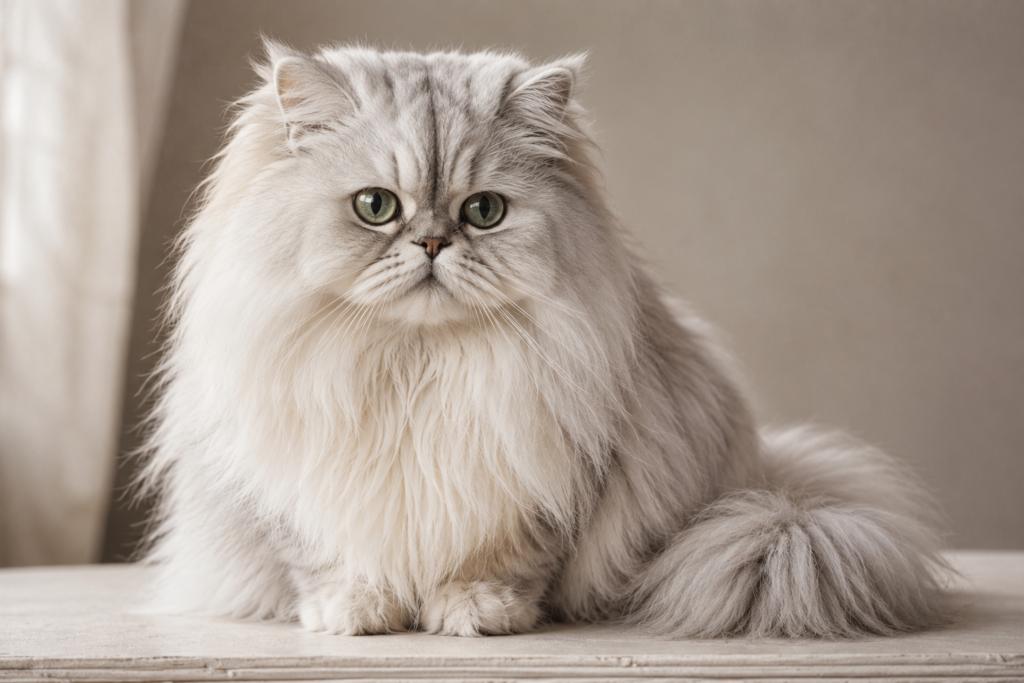
About the Persian
History and Origins
The Persian is one of the oldest and most recognizable cat breeds in the world. Longhaired cats were brought from Persia (modern-day Iran) and surrounding regions to Europe in the 1600s, where their flowing coats made them instant favorites among nobility and the wealthy. Queen Victoria’s fondness for the breed helped cement its status in Victorian England.
Over the following centuries, selective breeding refined the Persian’s look — and, in North America especially, produced the extreme flat-faced (“peke-face”) type recognized today, alongside the more moderate “doll-face” Persian that retains a longer nose. The Persian was among the founding breeds of The Cat Fanciers’ Association and remains one of the most popular pedigreed cats worldwide.
Personality and Temperament
The Persian is the quintessential lap cat: calm, gentle, and quietly affectionate. They form devoted bonds with their families and love nothing more than a serene afternoon spent lounging in a comfortable spot or in your arms. Unlike more athletic breeds, they are undemanding and rarely climb the curtains or race around the house.
Persians thrive on routine and a peaceful atmosphere. Loud, chaotic households, boisterous children, or constant activity can stress them. They tend to be selective with their affection, warm with trusted family members but reserved around strangers. This makes them ideal companions for quieter homes and people who want a soft-spoken, cuddly cat rather than a busy, mischievous one.
Care and Grooming
The Persian’s spectacular coat is also its biggest commitment. That long, fine fur mats and tangles easily, so daily brushing with a wide-toothed comb is essential — skipping even a few days can lead to painful mats that may need to be shaved out. Many owners schedule occasional baths every few weeks to keep the coat clean and reduce oil.
Their flat faces need attention too. Persians are prone to tear staining and require daily gentle wiping around the eyes, plus regular cleaning of facial skin folds to prevent infection. Because grooming is so involved, some owners keep their Persian in a shorter “lion cut.” Beyond coat and face care, keep up with nail trims, ear cleaning, and dental hygiene. Their low activity level also means portion control matters to prevent weight gain.
Health and Lifespan
Persians typically live 12–16 years, but the breed’s distinctive features come with notable health considerations. Their flat, brachycephalic faces can cause breathing difficulty, dental crowding, and chronic tear overflow. Polycystic kidney disease (PKD) has historically been common in the breed, though a DNA test now allows breeders to screen it out. Progressive retinal atrophy (PRA) and hypertrophic cardiomyopathy (HCM) also occur, and their long coat and skin folds make them prone to skin issues.
Buy from a breeder who DNA-tests for PKD and screens for HCM, and prefer moderate “doll-face” lines, which tend to have fewer breathing and eye problems than extreme flat-faced cats.
Cost and Is the Persian Right for You?
A Persian kitten from a reputable breeder generally costs $1,500 to $3,000 in the United States, with show-quality and rare colors running higher. Health-tested, doll-face lines are often worth the premium for their better long-term health.
The Persian suits calm households and people who genuinely enjoy grooming and want a gentle, affectionate lap cat. They are perfect for quieter homes, retirees, and those who are home often. They are less ideal for busy, noisy families, for anyone unable to commit to daily coat and face care, or for people wanting an active, playful, independent cat.
Frequently Asked Questions
A lot — Persians are among the highest-maintenance breeds for grooming. Their long, fine coat needs daily brushing with a wide-toothed comb to prevent mats, and many benefit from a bath every few weeks. Their flat faces also require daily eye and skin-fold cleaning. Without this consistent care, the coat mats painfully and skin problems can develop.
Yes, in terms of grooming and facial care, though their calm temperament makes them easy in every other way. Daily coat brushing, regular eye cleaning, and attention to their flat-faced needs make them more work than most breeds. If you enjoy grooming and a quiet companion, the effort is rewarding; if not, a lower-maintenance breed may suit you better.
They can. Persians are brachycephalic, meaning their flat faces and shortened nasal passages can cause noisy breathing, reduced airflow, and heat sensitivity — most pronounced in extreme flat-faced ("peke-face") cats. Moderate "doll-face" Persians, which retain a longer nose, generally breathe much more easily and are a healthier choice for this reason.
Persians can be good with children in calm, respectful households, but they are not an ideal match for boisterous young kids. The breed prefers a quiet, gentle environment and can become stressed by loud noise and rough handling. In a peaceful home with children who understand how to interact calmly, a Persian can be a loving family companion.
Persians typically live 12–16 years with good care. Their lifespan is best supported by buying from health-tested lines, choosing moderate doll-face breeding to reduce facial problems, keeping up with grooming and dental care, maintaining a healthy weight, and scheduling regular veterinary checkups, including kidney screening for PKD.