
Maine Coon
Known as the "gentle giant" of the cat world, the Maine Coon is one of the largest domestic breeds. These friendly, intelligent cats have dog-like personalities and luxurious, water-resistant coats.
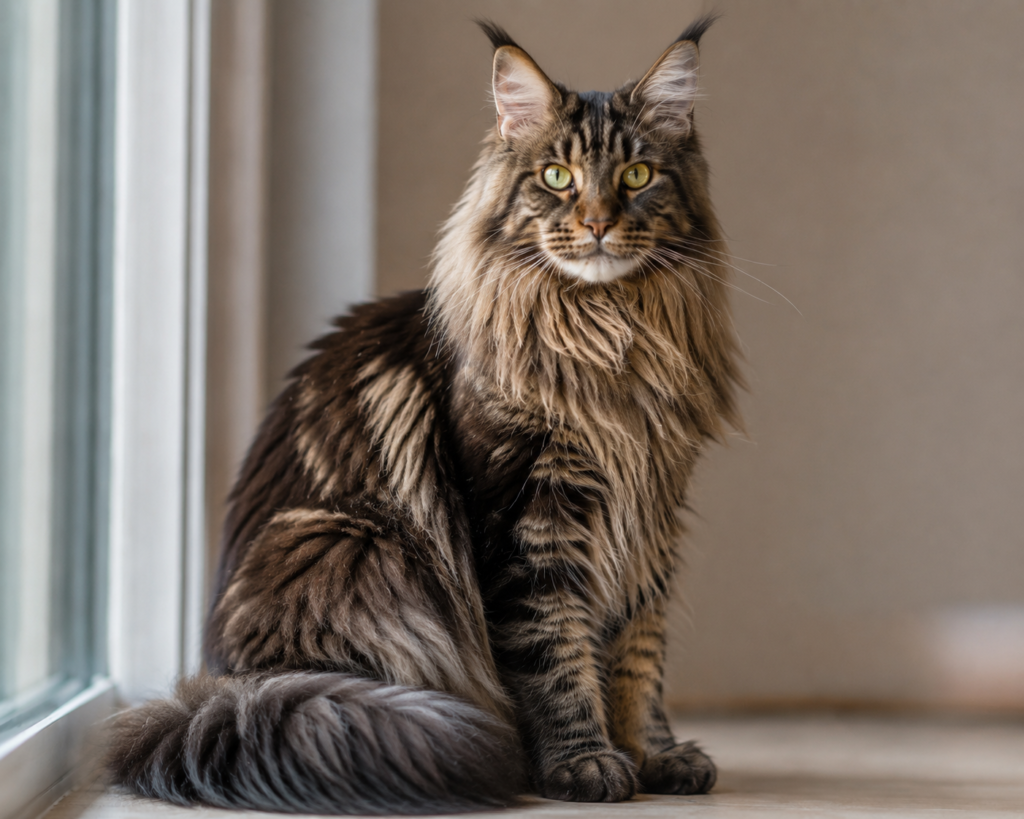
About the Maine Coon
History and Origins
The Maine Coon is a true American original — one of the oldest natural breeds in North America and the official state cat of Maine. It developed without human design in the harsh New England climate, where only the hardiest cats survived. Their thick, water-resistant coats, tufted “snowshoe” paws, and bushy tails are all adaptations to brutal winters.
Folklore offers colorful origin stories — from cats crossing with raccoons (biologically impossible) to felines belonging to Marie Antoinette shipped to Maine during the French Revolution. The likeliest explanation is that longhaired cats brought by seafarers bred with local shorthairs. Popular at early American cat shows in the late 1800s, the breed faded for a time before rebounding into one of the most beloved cats in the world today.
Personality and Temperament
For all their impressive size, Maine Coons are famous for their gentle, easygoing temperament. They are affectionate without being clingy, happy to follow you around the house and settle nearby rather than demand constant lap time. Their intelligence gives them a distinctly dog-like streak: many play fetch, learn tricks, and walk on a harness.
Maine Coons are also known for their voices — a soft repertoire of chirps and trills rather than typical meows. They are patient and tolerant, which makes them wonderful with children, dogs, and other cats. Sociable and adaptable, they slot into busy family homes with ease, offering companionship without the neediness of more demanding breeds.
Care and Grooming
That magnificent coat requires regular attention. Maine Coons should be brushed two to three times a week — and more during seasonal shedding — to prevent mats and tangles, especially around the ruff, belly, and hindquarters. A stainless-steel comb works well for their dense, semi-long fur. Despite the heavy coat, grooming is straightforward as long as it is consistent.
These are large, active cats that need space and sturdy furniture. Provide extra-large cat trees, wide scratching posts, and big litter boxes to suit their size. Many Maine Coons genuinely enjoy water, so do not be surprised to find one pawing at a dripping faucet or joining you at the shower door. Keep up with nail trims, ear cleaning, and dental care, and feed a quality diet to support their large frame.
Health and Lifespan
Maine Coons typically live 12–15 years, though many reach older. As a large breed with some popular bloodlines, they are predisposed to several inherited conditions. Hypertrophic cardiomyopathy (HCM) is the most significant — a DNA test exists for one Maine Coon–specific mutation, and responsible breeders screen for it. Hip dysplasia can occur because of their size, as can spinal muscular atrophy (SMA), for which there is also a genetic test. Polycystic kidney disease (PKD) is seen occasionally.
Buy from a breeder who screens for HCM, SMA, and hip dysplasia, keep your cat at a healthy weight, and schedule regular veterinary heart checks as they age.
Cost and Is the Maine Coon Right for You?
A Maine Coon kitten from a reputable breeder generally costs $1,000 to $2,500 in the United States, with sought-after colors, patterns, and show lines running higher. Their popularity means many breeders, but health screening varies — pay for tested lines.
The Maine Coon suits families and individuals who want a large, affectionate, easygoing companion with a playful, intelligent nature. They do well with children and other pets and adapt to most homes, provided there is room for their size and furniture built to match. They are less ideal if you cannot commit to regular brushing, or if you want a small, low-shedding cat.
Explore More
Fascinated by the Maine Coon’s love of water? Read why most cats hate water to see what makes this breed the exception. For more on feline behavior, see what your cat’s tail position really means, or compare other large breeds like the Aphrodite Giant and browse all cat breeds.
Frequently Asked Questions
Maine Coons are one of the largest domestic breeds. Males typically weigh 13–18 pounds and can reach 25, while females weigh 8–12 pounds. They can stand 10–16 inches tall and stretch up to 40 inches long including the tail. Unusually, they do not reach full size until 3–5 years of age.
Yes, exceptionally well. The Maine Coon's calm, confident, dog-like temperament makes it one of the best cat breeds for homes with dogs. They are rarely skittish and often enjoy the company of a friendly canine. As with any introduction, a slow, supervised meeting helps ensure the two get off on the right paw.
Their fascination with water traces back to their origins. The Maine Coon's water-resistant coat helped it survive wet, snowy New England winters, and that comfort around water seems to have stuck. Many enjoy pawing at running taps, dropping toys in their water bowl, or investigating the shower — a quirky trait that sets them apart from most cats.
Maine Coons need brushing two to three times a week to keep their long, dense coat free of mats and tangles, increasing to daily during heavy seasonal shedding. Focus on the ruff, belly, and back legs where mats form. With consistent grooming their coat stays healthy and beautiful; neglect it and painful mats can develop quickly.
The main concerns are hypertrophic cardiomyopathy (HCM), hip dysplasia, and spinal muscular atrophy (SMA), all of which have genetic tests available. Polycystic kidney disease is seen less often. Buying from a breeder who screens breeding cats for these conditions greatly reduces the risk, and regular vet checkups help catch any issues early.