
Arabian Mau
The Arabian Mau is a natural breed from the Arabian Peninsula, shaped by centuries of desert life. These hardy, athletic cats are affectionate and loyal with their families while keeping an independent streak.
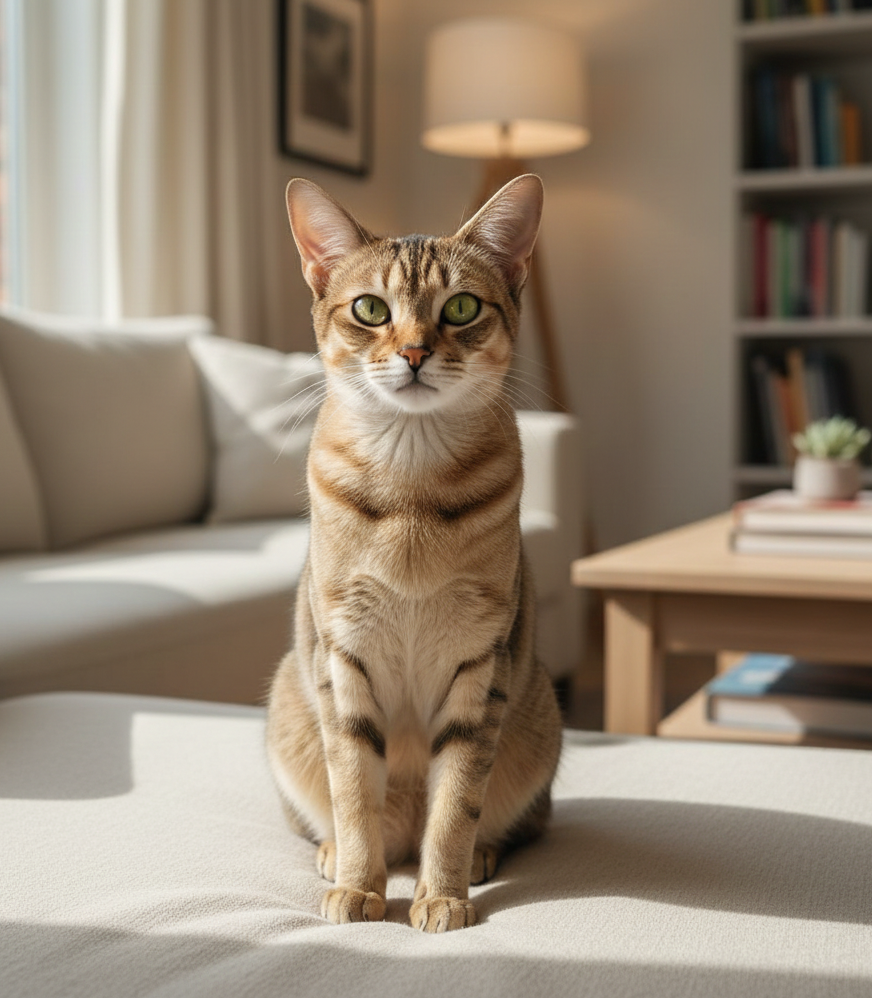
About the Arabian Mau
History and Origins
The Arabian Mau is a natural landrace breed descended from the desert cats that have roamed the Arabian Peninsula for well over a thousand years. Unlike breeds created in catteries, the Arabian Mau developed entirely through natural selection, surviving the harsh extremes of the desert — scorching days, cool nights, and scarce water — which gave it a lean, athletic body, large heat-dissipating ears, and a short, low-maintenance coat.
These cats have long lived alongside people in the towns and cities of the Gulf region, and in recent decades breeders in the United Arab Emirates worked to have them formally recognized. The World Cat Federation (WCF) accepted the Arabian Mau as an official breed in 2009. It remains rare outside the Middle East but is increasingly valued as a hardy, healthy, region-native cat.
Personality and Temperament
Arabian Maus are affectionate and loyal with their families but retain the confident independence of a cat that once had to fend for itself. They bond closely with their people, enjoy companionship, and can be quite devoted — yet they’re not clingy, happily entertaining themselves and patrolling their territory.
They are active, alert, and intelligent, with strong hunting instincts and plenty of energy. Many are fairly vocal, “talking” to their owners to communicate their needs. Arabian Maus generally get along well with children and other pets when socialized, and their adaptable, hardy nature helps them settle into a range of homes. Overall they’re engaging, characterful companions that blend genuine affection with a self-reliant, athletic spirit.
Care and Grooming
Care is refreshingly simple — this is a low-maintenance, easy-keeping breed. The short, sleek coat has little to no undercoat (an adaptation to desert heat), so it needs only a weekly brush and sheds minimally. Occasional grooming and the usual routine — nail trims, ear checks, and dental care — are all the upkeep the coat requires.
Because they’re active, athletic cats with hunting instincts, Arabian Maus do best with plenty of enrichment: climbing spaces, scratching posts, interactive toys, and daily play to burn off energy and keep their minds engaged. Coming from a hot climate, they appreciate warmth and comfortable resting spots. Provide fresh water and a good diet, and this hardy breed largely takes care of itself.
Health and Lifespan
The Arabian Mau is one of the healthiest breeds you can choose, precisely because it developed naturally without intensive selective breeding. Centuries of desert survival produced a genetically robust cat with no significant breed-specific inherited diseases and a typical lifespan of 12–15 years or more.
That natural hardiness is a real advantage, but “generally healthy” never means care-free. Like all cats, Arabian Maus benefit from routine veterinary checkups, dental care, parasite prevention, a healthy weight, and a quality diet. Buying from a reputable source, keeping them active, and providing good everyday care will help this sturdy breed thrive well into its senior years.
Cost and Is the Arabian Mau Right for You?
Because the Arabian Mau is common as a street and house cat in the Gulf region but rare as a pedigreed breed elsewhere, pricing varies widely. From a registered breeder, kittens are relatively affordable — often around $300 to $800 — though availability outside the Middle East is limited, so prospective owners elsewhere may need to search or import.
The Arabian Mau suits people who want an affectionate but independent, low-maintenance, and exceptionally healthy companion. Their easy care, adaptability, and hardy constitution make them great for families and busy owners, and they handle time alone better than clingy breeds. They’re less ideal for those wanting a constant lap cat, or anyone unable to source such a regionally concentrated breed.
Explore More
Interested in hardy, natural breeds? Compare the Arabian Mau with the ancient Aphrodite Giant of Cyprus. Did you know most cats descend from desert-dwelling wildcats? Read why cats hate water for the fascinating desert connection, or browse all cat breeds.
Frequently Asked Questions
Yes. The Arabian Mau evolved naturally over centuries in the harsh conditions of the Arabian Peninsula, and its body shows it: a lean, athletic frame that sheds heat, large ears that help regulate temperature, and a short coat with little undercoat suited to hot days and cool nights. This natural adaptation also gave the breed its notable hardiness and robust health.
Despite the shared "Mau" (Arabic and Egyptian for "cat"), they're quite different. The Egyptian Mau is a pedigreed show breed famous for its distinctive spotted coat and specific conformation. The Arabian Mau is a natural landrace from the Arabian Peninsula, usually not spotted, prized for its hardiness and natural origins rather than a standardized show appearance. Their ancestry, look, and development are separate.
It depends where you are. In the Gulf region, Arabian Mau–type cats are extremely common as street and house cats. As a formally registered pedigreed breed, however — recognized by the World Cat Federation in 2009 — they're uncommon, and quite rare outside the Middle East. Prospective owners in other regions may need to search for a specialist breeder or import a kitten.
Yes, they adapt well to indoor life as long as they get enough activity and enrichment. Though they have strong hunting instincts and energy, they settle happily indoors with climbing spaces, toys, and daily play. Keeping them indoors (or providing secure outdoor access) also protects this hardy but valuable cat from traffic and other hazards, and suits their love of warm, comfortable resting spots.
Yes, fairly. Arabian Maus tend to be communicative and will "talk" to their owners to express their needs, whether they want food, attention, or to point out something interesting. They're expressive without being as relentlessly loud as breeds like the Siamese. For owners who enjoy an interactive, communicative cat, this chattiness is part of the breed's engaging charm.