
British Shorthair
The British Shorthair is a sturdy, round-faced breed with a plush, dense coat. Known for their calm demeanor and teddy-bear appearance, these cats are loyal companions with an easygoing nature.
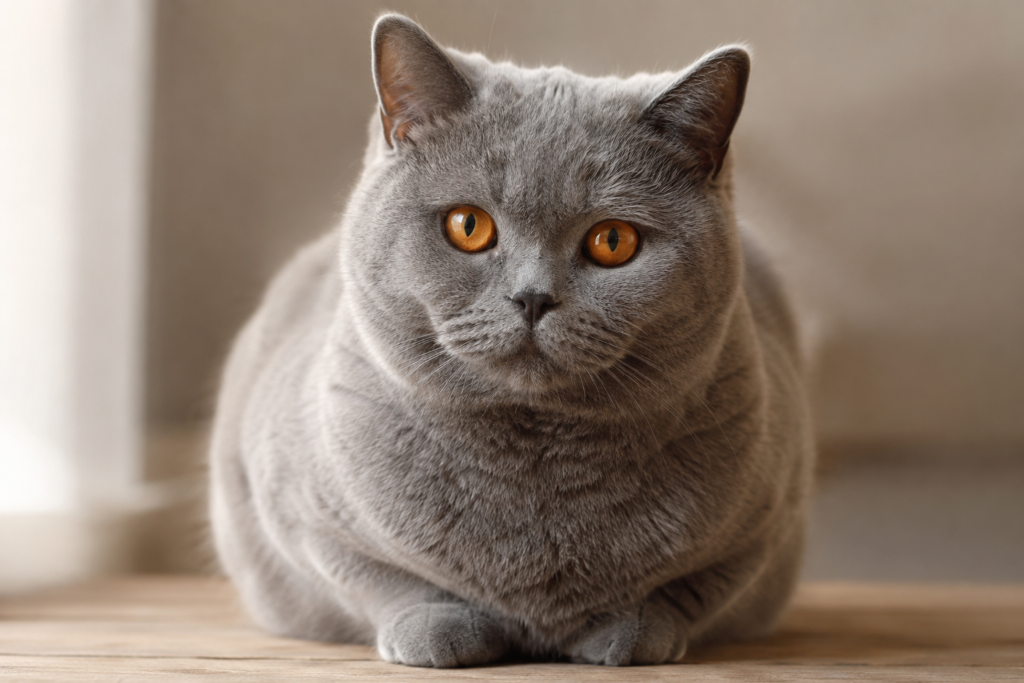
About the British Shorthair
History and Origins
The British Shorthair is one of the oldest recognized cat breeds, with roots reaching back to the domestic cats the Romans brought to Britain some 2,000 years ago. For centuries these hardy street and farm cats earned their keep as skilled mousers before Victorian cat fanciers began refining them into a show breed in the late 1800s. Pioneer breeder Harrison Weir is often credited with championing the “British” cat at the world’s first cat show in 1871.
The breed nearly vanished during and after World War II, when its numbers collapsed. Dedicated breeders revived it by outcrossing to other breeds, including Persians — which is where the modern British Shorthair’s rounder face and plush coat partly come from. Today it is one of the most popular pedigreed breeds in the UK and worldwide.
Personality and Temperament
The British Shorthair is the definition of a calm, dignified companion. They are affectionate and loyal but undemanding — they enjoy being near their people without insisting on constant lap time. In fact, many British Shorthairs dislike being picked up or carried, preferring to sit beside you rather than on you.
They are quiet, even-tempered, and rarely destructive, which makes them one of the most low-drama breeds to live with. Their patience and tolerance suit families with children and homes with other pets. Independent enough to handle a workday alone yet devoted to their family, the British Shorthair strikes a balance that appeals to a wide range of owners. Kittens are playful, but adults settle into a placid, watchful adulthood.
Care and Grooming
Despite its dense, plush double coat, the British Shorthair is relatively easy to groom. Weekly brushing keeps the coat healthy and removes loose hair, increasing to two or three times a week during the heavier seasonal sheds in spring and fall. Their thick coat can mat if neglected, so consistency matters.
The bigger day-to-day concern is weight. British Shorthairs are prone to obesity because they are laid-back and love their food, so measured meals and regular play are essential to keep them fit. Encourage activity with toys and climbing spots even though they are not high-energy cats. Routine nail trims, ear checks, and dental care round out their simple needs.
Health and Lifespan
British Shorthairs typically live 12–16 years and are a generally sturdy breed, but they carry a few inherited risks. Hypertrophic cardiomyopathy (HCM) is the most important, and responsible breeders screen breeding cats with heart scans. Hemophilia B, a blood-clotting disorder, occurs in some lines and has a DNA test. Because Persian was used in the breed’s postwar revival, polycystic kidney disease (PKD) can appear, so testing is worthwhile. Their tendency toward obesity also raises the risk of diabetes and joint problems.
Choose a breeder who screens for HCM and PKD, keep your cat lean, and maintain regular veterinary checkups as they age.
Cost and Is the British Shorthair Right for You?
A British Shorthair kitten from a reputable breeder generally costs $1,000 to $2,500 in the United States, with the popular “British Blue” (solid blue-gray) and rarer colors often commanding more. Health-tested lines sit at the upper end.
The British Shorthair is ideal for people who want a calm, affectionate, low-maintenance companion — including busy professionals, families, and first-time cat owners. They tolerate being alone during the day better than clingy breeds and adapt well to apartments. They are less suited to those who want a cuddly lap cat that loves to be held, or an active, playful cat that stays kitten-like into adulthood.
Explore More
Wondering about your calm cat’s behavior? Read why your cat sits near you but not on you and what your cat’s tail position really means. To compare other easygoing breeds, see the Persian or browse all cat breeds.
Frequently Asked Questions
Yes, excellent ones. They are calm, quiet, and content to lounge and watch the world go by rather than tear around the home. Their moderate-to-low activity level and adaptable nature make them well suited to apartment living, though they still appreciate a scratching post, a perch, and daily play to stay engaged and trim.
Generally, no. British Shorthairs are affectionate but famously dislike being picked up or carried. They prefer to show love on their own terms — sitting beside you, following you between rooms, or resting nearby rather than in your arms. Respecting this preference is one of the keys to a happy relationship with the breed.
British Shorthairs are naturally stocky, with a broad chest, thick legs, and a dense double coat that adds to their round, teddy-bear look. However, the breed is also genuinely prone to obesity because it loves food and lives a laid-back lifestyle. If your cat feels heavy or you cannot feel its ribs easily, review portion sizes and activity with your vet.
They are not lazy so much as calm and low-energy by nature. British Shorthairs enjoy short bursts of play but are perfectly happy to spend much of the day lounging. Kittens are lively, while adults settle into a placid routine. Regular play sessions are still important to prevent boredom and keep weight in check.
British Shorthairs typically live 12–16 years, and many reach the upper end of that range with good care. Keeping them at a healthy weight, feeding a quality diet, and maintaining regular veterinary checkups — including heart screening as they age — all help support a long, healthy life.