
Turkish Van
The Turkish Van is a rare, ancient breed famous for its love of swimming and its distinctive color pattern. These energetic, intelligent cats are athletic, playful, and affectionate with their families.
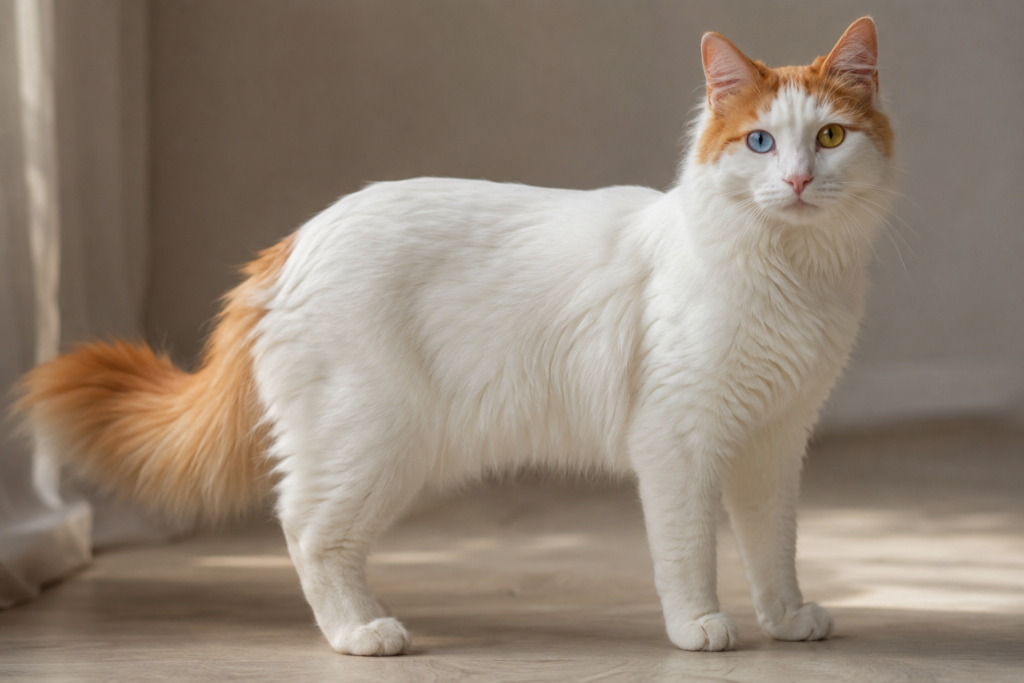
About the Turkish Van
History and Origins
The Turkish Van is a genuinely ancient natural breed, originating in the rugged Lake Van region of eastern Turkey, where cats resembling the Van have existed for thousands of years. Local people long called them “swimming cats” for their remarkable, unfeline love of water — a trait shaped by the hot summers and the great lake at the heart of their homeland.
The breed was introduced to the West in the 1950s, when British travelers brought a pair back from Turkey and were struck by both their looks and their willingness to swim. Careful breeding established the Turkish Van in Europe and later North America. It remains rare and is treasured in Turkey as part of the country’s natural heritage. (Note: the all-white, odd-eyed “Van kedisi” of Turkey is a related but distinct local cat.)
Personality and Temperament
Turkish Vans are high-energy, athletic, and endlessly playful — often described as “dog-like” for their loyalty and their love of games. They are powerful jumpers and climbers who seek out the highest shelf, the top of the fridge, or any perch that lets them survey their domain. Expect an active, engaged cat rather than a placid lap-warmer.
They bond strongly with their families and are affectionate on their own terms, often choosing a favorite person to follow and “help.” Vans tend to be more independent than clingy — they enjoy interaction and play but aren’t constant cuddlers, and some dislike being picked up or held for long. Intelligent and curious, they thrive with plenty of stimulation, and their playful, water-loving antics make them entertaining, characterful companions for active households.
Care and Grooming
Despite their semi-long coat, Turkish Vans are surprisingly low-maintenance. Their signature cashmere-like coat has no woolly undercoat, so it resists matting and is water-resistant — which is exactly why they can swim and then dry quickly. A weekly brush keeps it healthy, with a bit more attention during the seasonal shed, when they drop their heavier winter coat.
The bigger commitment is exercise and enrichment. Vans are athletic and need lots of activity — tall cat trees, climbing shelves, interactive play, and safe outlets for their energy. Many genuinely enjoy water, so a cat fountain or supervised water play can be great enrichment. Provide sturdy vertical space, and keep up with routine nail trims, ear checks, and dental care. A bored Turkish Van can become mischievous, so daily play matters.
Health and Lifespan
Turkish Vans are generally a hardy, healthy natural breed, with a typical lifespan of 12–17 years. As with most breeds, hypertrophic cardiomyopathy (HCM) — the most common feline heart disease — can occur, so responsible breeders screen their lines. The breed has no long list of specific inherited disorders, which is one benefit of its natural, un-manipulated origins.
Some Turkish Vans have striking odd-colored eyes (one blue, one amber), a harmless trait called heterochromia. As always, buy from a reputable breeder, keep your cat at a healthy weight, provide plenty of exercise, and maintain regular veterinary checkups to support a long, healthy life.
Cost and Is the Turkish Van Right for You?
A Turkish Van kitten from a reputable breeder generally costs $800 to $1,500 in the United States, sometimes more given the breed’s rarity and small number of breeders. Expect waitlists, and be cautious of any “Turkish Van” sold cheaply, as the true breed is uncommon.
The Turkish Van suits active owners and families who want an energetic, playful, intelligent companion and can provide plenty of climbing space, exercise, and interaction — bonus points if you don’t mind a cat that plays in the sink. They are less ideal for those wanting a calm lap cat, for very quiet or sedentary households, or for anyone unable to meet this athletic breed’s high activity needs.
Explore More
The Turkish Van is one of the few cats that loves a swim — read why most cats hate water to see what makes this breed so unusual. For other water-friendly cats, compare the Maine Coon and Bengal, or browse all cat breeds.
Frequently Asked Questions
Yes — it's the breed's most famous trait. Turkish Vans genuinely enjoy water and are nicknamed "the swimming cats." Their water-resistant, undercoat-free fur lets them get wet and dry quickly, and many will wade, paddle, or play enthusiastically in water. Not every individual loves swimming, but as a breed they are far more water-friendly than almost any other cat. Learn more about why most cats hate water — and why the Van is a rare exception.
Though both are ancient Turkish breeds, they're distinct. Turkish Vans are larger and more muscular, with a semi-long water-resistant coat and the signature "Van pattern" — a mostly white body with color only on the head and tail. Turkish Angoras are finer-boned and elegant, more often solid white, with a silkier full-length coat. Their temperaments differ too: Vans are robust, athletic water-lovers, while Angoras are graceful and refined.
Yes, quite rare. Turkish Vans are uncommon outside Turkey, with relatively few breeders worldwide, so kittens can be hard to find and usually come with a waitlist. In Turkey, the breed is protected as part of the country's natural heritage. This rarity means genuine, well-bred Turkish Vans command higher prices and require patience to acquire from a reputable source.
A Turkish Van kitten from a reputable breeder typically costs $800 to $1,500 in the United States, and sometimes more because of the breed's rarity and limited number of breeders. Beyond the purchase price, budget for enrichment, quality food, and routine veterinary care. Be wary of cheap "Turkish Van" kittens, as the genuine breed is uncommon and often confused with ordinary white cats.
Yes, generally. Turkish Vans are playful, energetic, and robust, which makes them a good match for families with children who can engage in active play. They enjoy interaction and games, though they can be independent and may not love being held for long, so children should learn to respect the cat's boundaries. With gentle handling, Vans are fun, lively family companions.