
Chartreux
The Chartreux is a rare French breed with a distinctive woolly blue-gray coat and bright copper eyes. These quiet, loyal cats are known for their sweet "smiling" expression and calm, gentle nature.
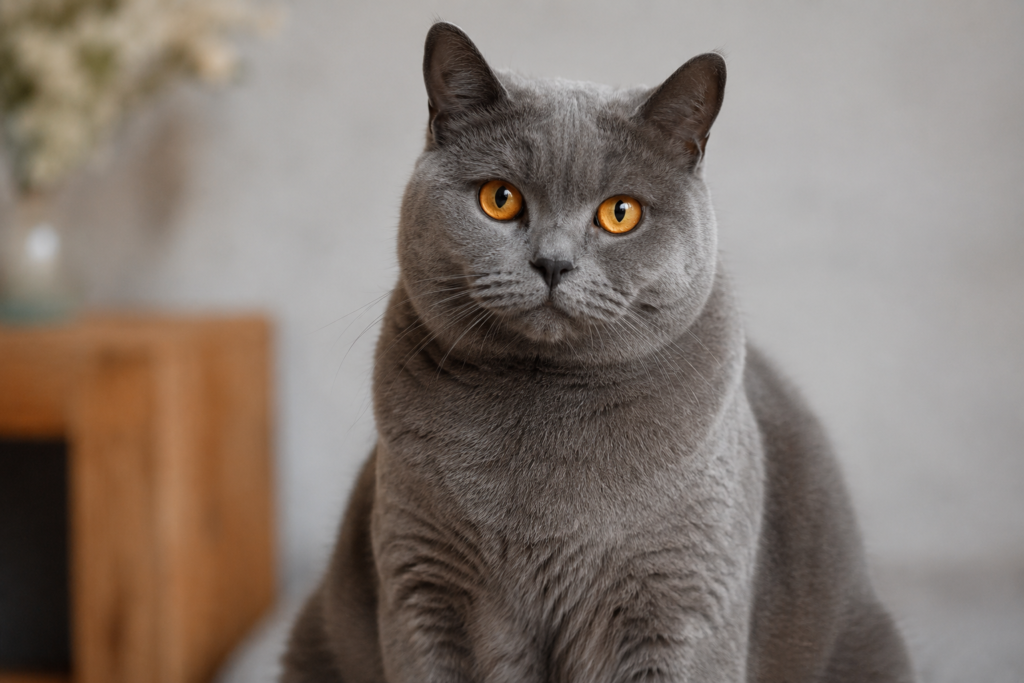
About the Chartreux
History and Origins
The Chartreux is one of the oldest natural breeds, with a history in France stretching back centuries. Charming legend holds that the breed was raised by Carthusian monks — the order that also gave the world Chartreuse liqueur — though this romantic story is debated by historians. What’s clear is that sturdy blue-gray cats have lived in France for a very long time, valued as excellent mousers and appearing in French literature as far back as the 1700s.
The breed nearly disappeared after the two World Wars, and dedicated French breeders revived it in the 20th century, sometimes outcrossing to British Shorthairs and other blues to rebuild numbers. Today the Chartreux is recognized internationally but remains relatively rare, especially outside France, where it is regarded as a national treasure.
Personality and Temperament
Chartreux are famously quiet, gentle, and devoted. They bond strongly with their families — often attaching to one particular person — yet they aren’t clingy or demanding, striking a lovely balance between affectionate and easygoing. Many will follow their favorite human from room to room and settle nearby rather than insisting on constant lap time.
One of the breed’s most distinctive traits is its silence: Chartreux rarely meow, and some never do at all, instead communicating with soft chirps, trills, and expressive body language. Their rounded faces give them a permanent sweet “smile.” Calm, patient, and adaptable, they get along well with children and other pets and settle comfortably into most homes. Beneath the placid exterior is an intelligent, observant cat that retains sharp hunting instincts and enjoys a good play session.
Care and Grooming
The Chartreux’s dense, woolly, water-resistant double coat is beautiful but needs regular attention. Because the undercoat is so thick, the coat can mat or “clump” if neglected, so brushing (or better, gently combing) two to three times a week keeps it healthy, with more frequent grooming during the heavy seasonal sheds when they drop their winter coat. Avoid over-bathing, as the coat is naturally water-resistant.
The other priority is weight. Chartreux are food-motivated and can gain weight easily, so measured meals and daily play are important to keep them fit. Encourage activity with toys and climbing spots even though they’re a moderate-energy breed. Round out care with routine nail trims, ear checks, and dental hygiene.
Health and Lifespan
Chartreux are generally a healthy, robust breed, typically living 12–15 years. Their sturdy natural constitution serves them well, but there are a few conditions to be aware of. Because of their solid build, they can be prone to patellar luxation (slipping kneecaps) and hip dysplasia, and their love of food makes obesity a real risk. Some are prone to urinary issues such as struvite crystals, and polycystic kidney disease can occasionally appear.
Choose a reputable breeder who screens their lines, keep your Chartreux lean, provide plenty of fresh water and a quality diet, and maintain regular veterinary checkups to support a long, healthy life.
Cost and Is the Chartreux Right for You?
A Chartreux kitten from a reputable breeder generally costs $1,500 to $2,000 in the United States, sometimes more given the breed’s rarity and the small number of breeders. Expect a waitlist, and be cautious of any cheap “Chartreux” that may simply be a grey domestic cat or a British Shorthair.
The Chartreux is ideal for people who want a calm, quiet, devoted companion that shows affection without being demanding. Their gentle, adaptable nature suits families, quieter households, apartments, and first-time owners, and they tolerate a workday alone reasonably well. They are less ideal for those wanting a very talkative or constantly cuddly cat, or anyone unwilling to keep up with grooming that thick woolly coat.
Explore More
Drawn to elegant blue-gray cats? Compare the Chartreux with the Russian Blue and the plush British Shorthair. Curious why your quiet cat shows love its own way? Read why your cat always sits on your lap, or browse all cat breeds.
Frequently Asked Questions
No, they're one of the quietest breeds. Chartreux rarely meow, and some never do at all, instead communicating through soft chirps, trills, and expressive body language. This near-silence, combined with their calm temperament, makes them exceptionally peaceful housemates. For anyone who finds a loud, demanding cat stressful, the quiet, gentle Chartreux is a wonderful choice.
Though both are blue-gray cats, they're quite different. The Chartreux is sturdier and more robust, with a rounded "smiling" face, a woolly water-resistant coat, and copper or gold eyes. The Russian Blue is finer-boned and more elegant, with a plush double coat and vivid green eyes. Their temperaments differ too: both are gentle, but the Chartreux is calmer and even quieter.
Yes, quite rare — especially outside France, where the breed is treasured as a national symbol. There are relatively few breeders worldwide, so genuine Chartreux kittens can be hard to find and often come with a waitlist. This rarity means it's important to buy from a reputable breeder, as some grey cats are sold as "Chartreux" without genuine lineage.
Chartreux shed a moderate amount year-round, with heavier seasonal sheds in spring and fall when they drop their thick winter coat. Their dense, woolly double coat needs regular combing two to three times a week (and more during shedding season) to prevent matting and remove loose hair. Consistent grooming keeps shedding manageable and the coat healthy.
Chartreux typically live 12–15 years, and many reach the upper end with good care. Supporting their longevity means keeping them at a healthy weight (they're prone to obesity), feeding a quality diet, providing plenty of water, staying on top of grooming, and maintaining regular veterinary checkups to catch any joint or urinary issues early.