
Chausie
The Chausie is a large, athletic hybrid breed with jungle cat ancestry. These intelligent, high-energy cats are known for their wild appearance and loyal, dog-like devotion to their families.
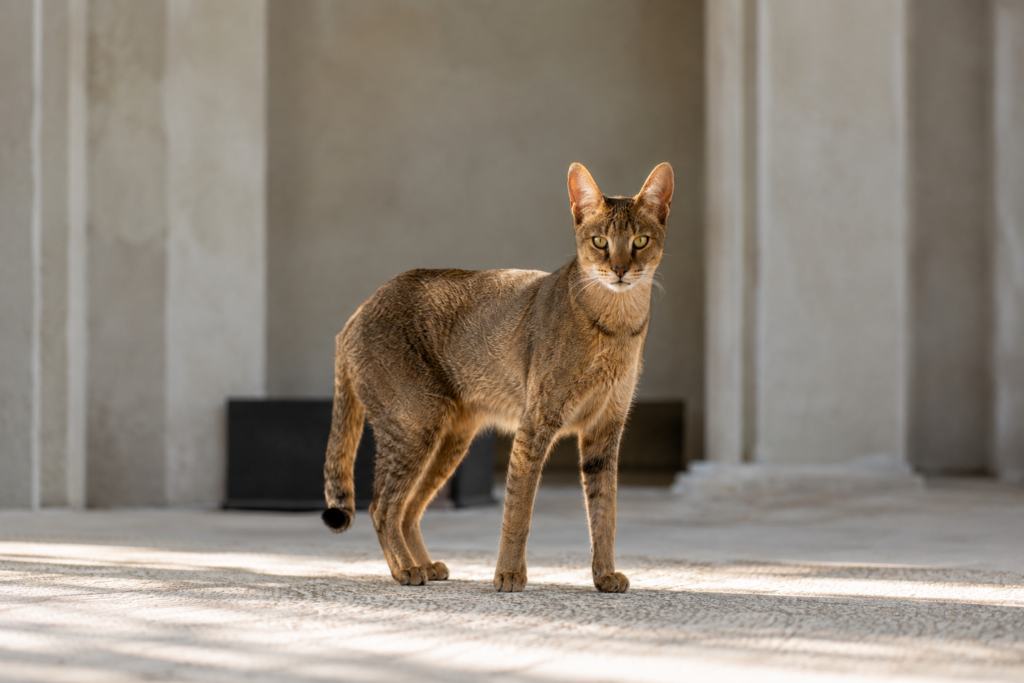
About the Chausie
History and Origins
The Chausie (pronounced “chow-see”) is one of the more exotic domestic breeds, created by crossing domestic cats with the jungle cat (Felis chaus) — an ancient wild species native to Asia, the Middle East, and North Africa, sometimes called the swamp or reed cat. The goal was to capture the jungle cat’s tall, wild, athletic look in a companion with a domestic temperament.
Development began in earnest in the 1990s, and The International Cat Association accepted the Chausie for registration in 2003, granting championship status about a decade later. Like other hybrids, Chausies are classified by generation: an F1 is roughly 50% jungle cat, an F2 about 25%, an F3 around 12.5%, and an F4 about 6.25%. Later generations (F4 and beyond) are more domestic in behavior and are the ones most people keep as pets.
Personality and Temperament
Chausies are intensely active, intelligent, and loyal — often described as more dog-like than cat-like. They bond powerfully with their families, follow their people everywhere, and can be taught to fetch, walk on a harness, and perform tricks. They are athletic marvels: tall, powerful jumpers who need to climb, run, and explore constantly.
This is not a laid-back lap cat. Chausies are curious, busy, and easily bored, and without enough stimulation they can become restless or destructive. They tend to be confident and playful well into adulthood, and many form especially tight bonds with one household. Because of their energy, intelligence, and specific needs, Chausies are best suited to experienced owners who can provide plenty of space, time, and enrichment.
Care and Grooming
Grooming is the easy part — the Chausie’s short, dense coat needs only a weekly brush and sheds modestly. Everything else about this breed is a serious commitment.
Chausies need large amounts of exercise, vertical space, and mental stimulation: tall, sturdy cat trees, climbing shelves, puzzle feeders, and daily interactive play are essential. Many owners leash-train them or provide secure outdoor “catios.” They are intelligent escape artists, so a secure home is a must. Diet deserves special attention (see health) — Chausies do best on high-protein, grain-free food. Round out care with routine nail trims, ear checks, and dental hygiene, and be prepared for an active, demanding companion.
Health and Lifespan
Chausies benefit from hybrid vigor and are generally healthy, often living 12–15 years or more, but the breed has a couple of important, breed-specific considerations. Because of their jungle cat ancestry, many Chausies have a shorter intestinal tract and a genuine intolerance to grains and gluten — standard grain-heavy kibble can cause chronic diarrhea, weight loss, or inflammatory bowel issues. A high-protein, grain-free diet is strongly recommended and is essential for many individuals.
Like most breeds, Chausies can develop hypertrophic cardiomyopathy (HCM), so responsible breeders screen their lines. Males in the F1–F3 generations are typically sterile. Choose a reputable breeder who can advise on diet and generation, keep your Chausie active and lean, and maintain regular veterinary care.
Cost, Legality, and Is the Chausie Right for You?
A Chausie kitten from a reputable breeder generally costs $1,000 to $5,000 in the United States, depending on generation and lineage, with earlier generations at the top of the range. As with other wild-hybrid breeds, legality varies: later generations (F4+) are legal in most places, but earlier generations (F1–F3) are restricted or require special permits in many areas, and some jurisdictions ban them outright. Always check your local exotic-pet laws before buying.
The Chausie suits experienced, active owners who can provide space, enrichment, a proper diet, and lots of time — ideally people who want an adventurous, dog-like feline companion. They are a poor fit for first-time owners, small apartments, quiet or sedentary households, or anyone unable to meet their intense exercise, dietary, and stimulation needs.
Explore More
Drawn to wild-looking, high-energy hybrids? Compare the Chausie with the Savannah and the Bengal. For an athletic cat that loves water, see the Turkish Van, or browse all cat breeds.
Frequently Asked Questions
No — Chausies are domestic cats with wild jungle cat ancestry, bred specifically for a domestic temperament. Later generations (F4 and beyond), which most people keep, behave like very active, loyal house cats. Earlier generations retain more wild traits and are far more demanding. While they look wild, well-bred pet Chausies are affectionate, people-oriented companions rather than wild animals.
Chausies are among the largest domestic cat breeds. They're tall, long-legged, and athletic, typically weighing around 12–20 pounds, with males larger than females. Their lean, muscular build and long legs make them look even bigger and more imposing than their weight suggests. They reach full size gradually, often taking two to three years to fully mature.
For the right owner, yes — they're loyal, intelligent, and endlessly entertaining. But they're best suited to experienced owners who can meet their high needs for exercise, space, stimulation, and a special diet. Later generations are more manageable and affectionate, while early generations are very demanding. Chausies are a poor choice for first-time owners or quiet, low-activity households.
It depends on your location and the cat's generation. Later generations (F4 and beyond) are legal in most places, but earlier generations (F1–F3) are restricted, require permits, or are banned in many areas because of their closer wild ancestry. In some countries, owning an early-generation Chausie requires a special wild-animal license. Always confirm your local exotic-pet laws before buying.
Chausies are generally healthy but have two notable concerns. Many have a shorter intestinal tract and a real intolerance to grains and gluten, so they need a high-protein, grain-free diet to avoid digestive problems. Like most breeds, they can also develop hypertrophic cardiomyopathy (HCM), which responsible breeders screen for. A proper diet and a reputable, health-testing breeder are key.