
Devon Rex
The Devon Rex is a pixie-like breed with large ears, big eyes, and a distinctive wavy coat. These playful, mischievous cats are known for their clownish personalities and love of human company.
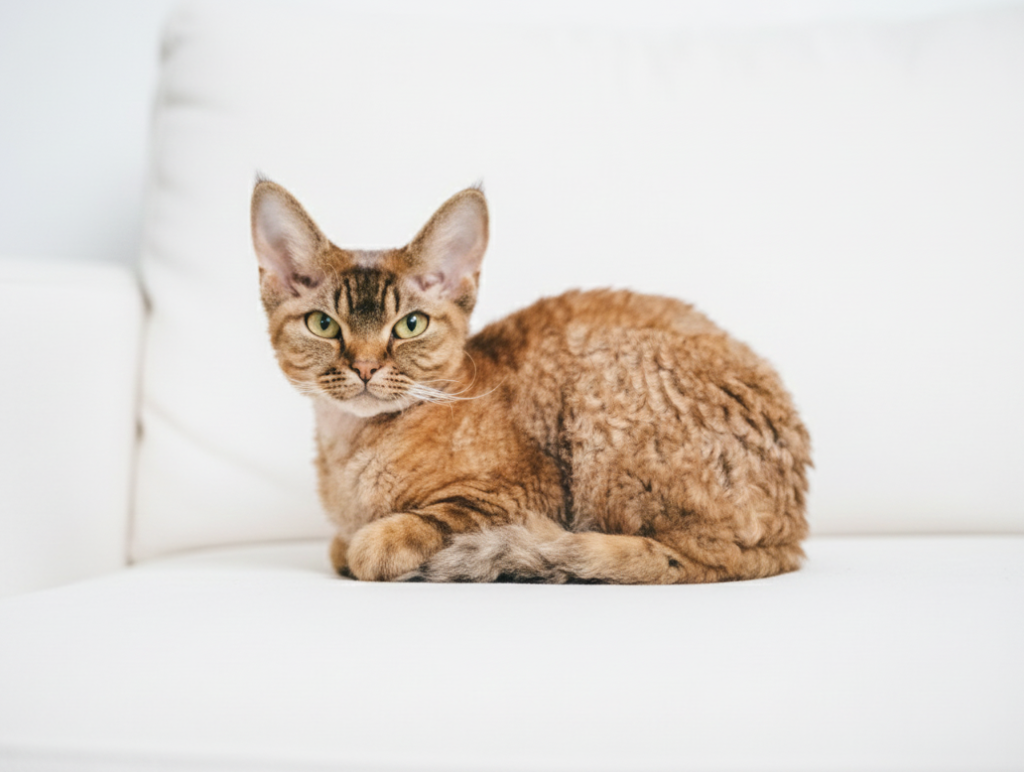
About the Devon Rex
History and Origins
The Devon Rex traces back to a single curly-coated kitten named Kirlee, born in 1960 near a disused tin mine in Devon, England. Breeder Beryl Cox noticed the unusual wavy coat and worked to preserve it. At first, breeders assumed the Devon shared the same gene as the Cornish Rex, which had appeared a decade earlier in nearby Cornwall — but test breedings produced only straight-coated kittens, proving the Devon’s curl comes from a separate, recessive genetic mutation.
The breed was accepted by British registries in 1967 and by The Cat Fanciers’ Association (CFA) in 1979. Every Devon Rex alive today descends from that one original kitten, which is part of why the breed remains relatively uncommon.
Personality and Temperament
Devon Rex cats are often described as “monkeys in cat suits.” They are among the most people-oriented of all breeds — busy, social, and endlessly curious. A Devon wants to be wherever you are: perched on your shoulder, curled in your lap, or tucked under the covers at night. They crave warmth and physical closeness more than almost any other cat.
They are highly intelligent and trainable. Many learn to play fetch, come when called, and even walk on a harness. Their mischievous streak means they will open cupboards, steal food, and invent their own games. Because they bond so tightly with their humans, Devon Rex cats do not cope well with being left alone for long stretches — a second pet or plenty of enrichment helps prevent boredom and separation stress.
Care and Grooming
Despite the delicate look of their coat, Devon Rex are low-maintenance groomers. Their short, fine fur sheds very little and needs only occasional gentle handling — over-brushing can actually damage the fragile hairs. A soft cloth or a light stroke with your hand is usually enough.
Their large ears produce a lot of wax and should be checked and cleaned weekly. Because they have little fur to absorb skin oils, some Devons develop greasy skin and benefit from an occasional bath. Their sparse coat also means they get cold easily, so they seek out warm spots, sunny windows, and heated beds. In winter, many owners provide a cat sweater or a heated pad.
Devons are active and need daily play. Interactive toys, climbing shelves, and puzzle feeders keep their sharp minds engaged.
Health and Lifespan
The Devon Rex typically lives 12–15 years and is generally healthy, but the breed has a few conditions worth knowing about. Devon Rex myopathy (also called spasticity) is a hereditary muscle-weakness disorder that appears in kittens. Hypertrophic cardiomyopathy (HCM), the most common feline heart disease, is seen in the breed, as is patellar luxation (slipping kneecaps). Devons can also be prone to a hereditary condition affecting the coat and skin, and some are sensitive to anesthesia.
Buying from a responsible breeder who screens breeding cats for HCM and myopathy dramatically reduces the risk. Keep your Devon at a healthy weight and schedule regular vet checkups.
Cost and Is the Devon Rex Right for You?
A Devon Rex kitten from a reputable breeder typically costs between $800 and $2,000 in the United States, depending on lineage and coat quality. Because the gene pool is small, waitlists are common.
A Devon Rex is a wonderful fit if you want a deeply affectionate, interactive companion and you are home often. They suit families, singles who work from home, and multi-pet households. They are less ideal if you want an independent, aloof cat or if the household is empty most of the day. If you love the idea of a cat that acts a bit like a dog and never wants to leave your side, the Devon Rex delivers.
Explore More
Curious about cat behavior? Read why cats knead and why your cat always sits on your lap — both traits the affectionate Devon Rex shows in abundance. Or browse all cat breeds to compare the Devon with other companions like the Cornish-cousin Selkirk Rex.
Frequently Asked Questions
No cat is truly hypoallergenic, but Devon Rex are often tolerated better by allergy sufferers. Their sparse coat sheds very little, which spreads fewer allergens around the home. However, they still produce the Fel d 1 protein in their saliva and skin, so sensitive individuals should spend time with one before committing.
Very little. Their fine, wavy coat sheds far less than most breeds, and the loose hairs they do drop are short and hard to notice. This makes them a popular choice for people who dislike cat hair on furniture and clothing — though it does not make them maintenance-free, since their skin still needs occasional care.
Devon Rex feel warm because their thin coat provides little insulation, so their body heat radiates through easily — they are not actually running a fever. This is also why they seek out warm laps, sunny spots, and heated beds. Their tendency to feel toasty is completely normal and is one reason they make such cozy cuddle companions.
In terms of grooming, no — their coat needs very little. Where they are demanding is attention. Devons are highly social and can become bored, anxious, or destructive if left alone too much. They need daily interaction, play, and companionship, so the "maintenance" is emotional and social rather than physical.
Yes, most Devon Rex love physical closeness. They are notorious lap cats and shoulder-perchers who actively seek out warmth and contact with their people. Many will burrow under blankets to sleep beside you. Their affectionate, velcro-like nature is one of the breed's most beloved traits.