
Ragdoll
The Ragdoll is a gentle, affectionate breed known for going limp when held. With striking blue eyes and a silky coat, these laid-back cats make perfect companions for families seeking a calm, loving pet.
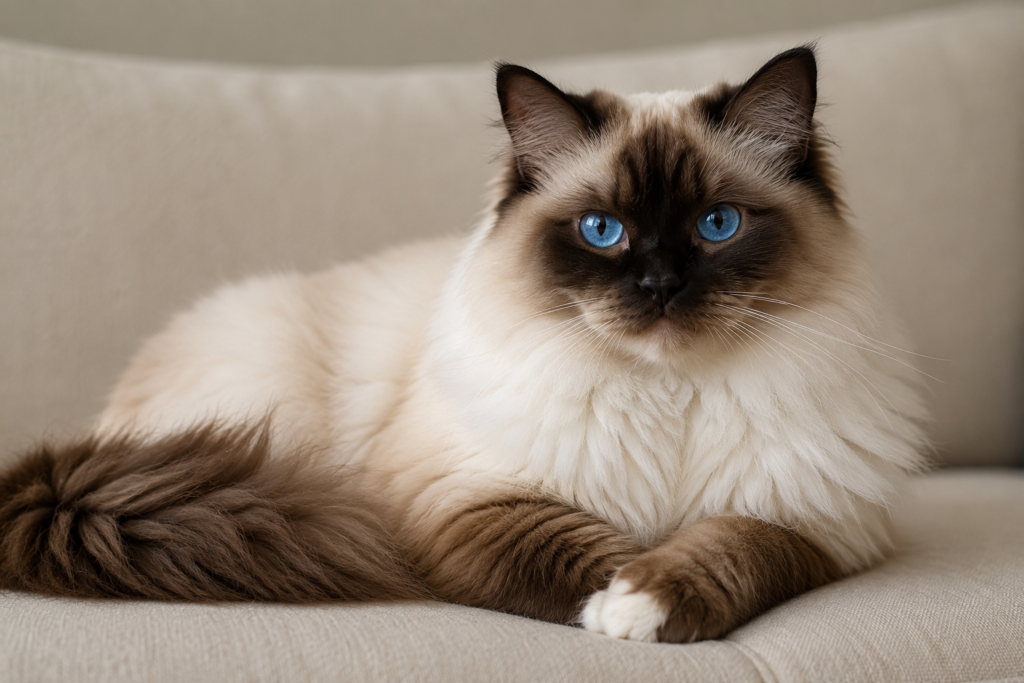
About the Ragdoll
History and Origins
The Ragdoll is a relatively modern breed developed in California in the 1960s by breeder Ann Baker. She began with a free-roaming white longhaired cat named Josephine and her offspring, selecting for the exceptionally docile, affectionate temperament and the tendency to relax completely when picked up. Over time she added Persian, Birman, and Burmese-type cats to shape the breed’s large size, silky coat, and gentle nature.
Ann Baker’s approach was unconventional — she trademarked the name and founded her own registry — which led other breeders to establish the Ragdoll independently through mainstream cat associations. The breed gained wide recognition through the 1990s and has since become one of the most popular pedigreed cats in the world, consistently topping breed-popularity rankings.
Personality and Temperament
Ragdolls are the archetype of a calm, cuddly companion. They are gentle, mellow, and deeply people-oriented, often described as “puppy-like” for their habit of following their owners from room to room, greeting them at the door, and flopping into their arms for a cuddle. Many go completely limp when held — the trait that gave the breed its name.
They are quiet, tolerant, and rarely destructive, which makes them wonderful with children and other pets. Ragdolls are not high-energy cats; they enjoy gentle play but prefer lounging and being close to their people. Because they are so social and attached, they do not cope well with being left alone for long periods and are happiest in homes where someone is around much of the day, or where they have a companion animal.
Care and Grooming
Despite their long, silky coats, Ragdolls are moderate-maintenance groomers because they lack a dense undercoat, so their fur mats less than many longhaired breeds. Brushing two to three times a week with a steel comb keeps the coat tangle-free, with extra attention during seasonal shedding and around the “britches” and armpits where mats form.
Ragdolls are large, slow-maturing cats that do not reach full size until around four years of age, so provide sturdy furniture, big litter boxes, and a good-quality diet to support their frame. Their laid-back nature means they can be prone to weight gain, so monitor portions and encourage gentle daily play. Complete their care with routine nail trims, ear checks, and dental hygiene.
Health and Lifespan
Ragdolls typically live 12–17 years. The breed’s most important health concern is hypertrophic cardiomyopathy (HCM); a specific mutation (MYBPC3) has been identified in Ragdolls, and a reliable DNA test lets breeders screen for it — the best breeders combine DNA testing with periodic echocardiograms. Ragdolls also have an increased tendency toward bladder stones (calcium oxalate) and feline lower urinary tract disease (FLUTD), so good hydration, wet food, and regular urinalysis are helpful. Their large, laid-back build also makes obesity a risk.
Buy from a breeder who DNA-tests for HCM, keep your Ragdoll at a healthy weight, encourage water intake, and maintain regular veterinary checkups.
Cost and Is the Ragdoll Right for You?
A Ragdoll kitten from a reputable breeder generally costs $1,000 to $2,500 in the United States, with sought-after patterns, colors, and show lines running higher. Given the breed’s heart risk, health-tested lines are well worth the premium.
The Ragdoll is an excellent choice for families, first-time cat owners, and anyone wanting a calm, affectionate, easygoing companion. Their gentle, tolerant nature suits homes with children and other pets, and their low energy makes them well-suited to indoor and apartment living. They are less ideal for people who want an independent, low-attention cat, or for households wher
Explore More
Love an affectionate, cuddly cat? Read why your cat always sits on your lap and why cats knead — classic Ragdoll behaviors. To compare other gentle companions, see the Persian and Maine Coon, or browse all cat breeds.
Frequently Asked Questions
Ragdolls have a naturally relaxed muscle tone and an exceptionally docile temperament, so when picked up they tend to relax completely and go limp, much like a child's ragdoll toy. This endearing trait was selectively bred into the line from the breed's founding cats and is one of the Ragdoll's most distinctive and beloved characteristics.
Yes, Ragdolls are one of the best breeds for first-time owners. They are calm, gentle, affectionate, and easygoing, with a forgiving temperament that tolerates handling and household activity well. Their grooming needs are manageable and their behavior is rarely destructive. As long as you can give them companionship and daily attention, they are a wonderfully low-drama introduction to cat ownership.
Ragdolls need moderate grooming — brushing two to three times a week keeps their silky, semi-long coat tangle-free. Because they lack a thick undercoat, they mat less than many longhaired breeds, but the areas around the legs, belly, and armpits still need attention. Grooming increases during seasonal shedding, and regular brushing also reduces hairballs and strengthens your bond.
Ragdolls tolerate short daytime absences but do not do well when left alone for long stretches. They are highly social, people-oriented cats that form strong attachments and can become lonely or stressed without companionship. If your household is away for long hours, consider a second pet to keep your Ragdoll company, along with enrichment like toys and window perches.
No, Ragdolls are not hypoallergenic. Although they lack a heavy undercoat and shed a bit less than some longhaired breeds, they still produce the Fel d 1 protein in their saliva and skin, which is the main trigger for cat allergies. Their long coat can also carry more dander around the home, so allergy sufferers should spend time with one first.