
Burmilla
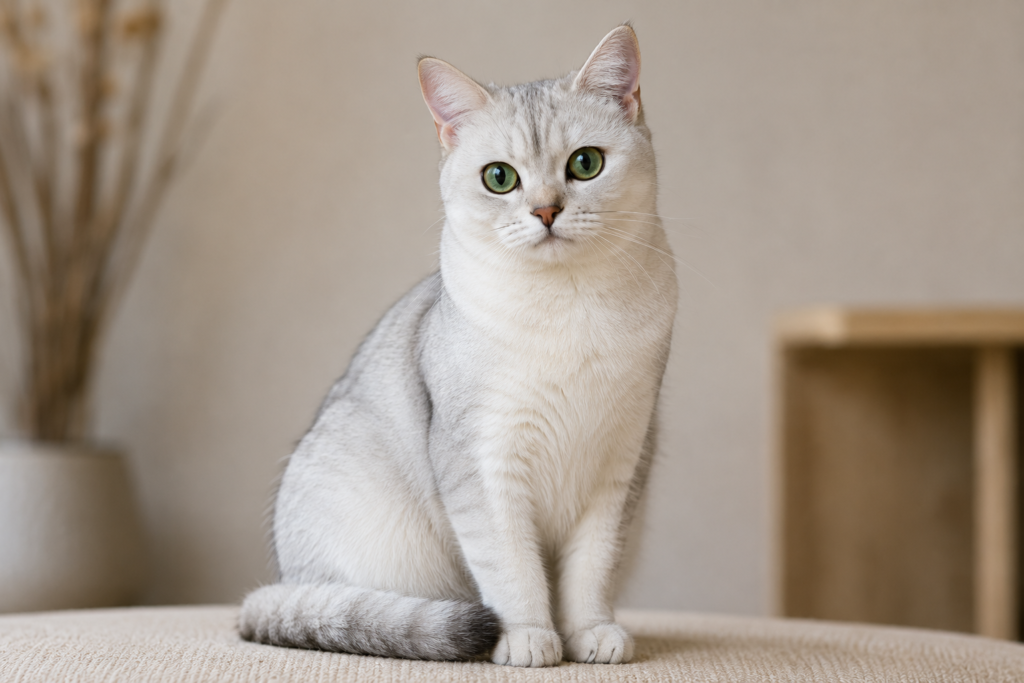
The Burmilla is an elegant breed with a shimmering silver-shaded coat and a sweet, gentle personality. Created by a happy accident from a Burmese–Chinchilla Persian cross, these striking cats make loving, easygoing family companions.
About the Burmilla
History and Origins
The Burmilla owes its existence to a lucky mistake. In 1981 in England, a Chinchilla Persian and a Lilac Burmese belonging to Baroness Miranda von Kirchberg mated accidentally when a door was left open. The resulting kittens were so beautiful — combining the Burmese’s build with a sparkling silver coat — that a deliberate breeding program was started to establish them as a breed.
Named by blending “Burmese” and “Chinchilla,” the Burmilla was recognized by cat registries over the following decades. It inherits the best of both parents: the elegant, muscular Burmese body and the shaded silver coat and gentle disposition of the Chinchilla Persian, resulting in a uniquely lovely, good-natured cat.
Personality and Temperament
Burmillas have a wonderfully balanced temperament, blending the playful, sociable nature of the Burmese with the calm, gentle sweetness of the Chinchilla Persian. They are affectionate and enjoy being with their families, but they’re not overly demanding — happy to play, then settle nearby for a quiet cuddle.
They tend to keep a kitten-like, mischievous streak into adulthood, enjoying interactive games and the occasional bit of playful trouble, while remaining easygoing and adaptable overall. Burmillas are social cats that generally get along beautifully with children, dogs, and other cats, making them excellent family pets. Their loving-but-undemanding nature and their striking looks make them engaging, low-drama companions that fit comfortably into most households.
Care and Grooming
Grooming needs depend on coat length, as Burmillas come in both short-haired and semi-long-haired varieties. The short coat needs only a weekly brush, while the semi-long coat benefits from brushing two to three times a week to prevent tangles. Neither coat is especially high-maintenance, and they shed a moderate amount.
The silver-shaded or tipped coat is the breed’s crowning glory, and regular gentle brushing keeps it bright and free of loose hair. Their expressive eyes — typically green and outlined in dark “mascara” — need no special care beyond normal cleanliness. Round out care with routine nail trims, ear checks, and dental hygiene. Being sociable and moderately active, Burmillas also appreciate toys, companionship, and daily play.
Health and Lifespan
Burmillas are generally a healthy breed, typically living 12–16 years, but their mixed Burmese–Persian ancestry means a couple of inherited conditions are worth screening for. Polycystic kidney disease (PKD), inherited from the Persian side, is the most important, and a reliable DNA test allows breeders to screen it out. Some Burmillas can also be prone to sensitive stomachs or allergies, and, as with most breeds, hypertrophic cardiomyopathy (HCM) can occur.
Choose a breeder who DNA-tests for PKD and screens breeding cats for HCM, keep your Burmilla at a healthy weight, and maintain regular veterinary and dental checkups to support a long, healthy life.
Cost and Is the Burmilla Right for You?
A Burmilla kitten from a reputable breeder generally costs $800 to $1,500 in the United States, with show-quality lines and the most striking silver coats running higher. The breed is relatively uncommon, so expect to find a specialist breeder and possibly a short waitlist.
The Burmilla is an excellent choice for people who want an affectionate, gentle, and adaptable companion with eye-catching looks but manageable needs. Their easygoing, sociable nature suits families with children, multi-pet homes, and first-time owners alike. They are less ideal only for those wanting a very independent, aloof cat, since Burmillas do enjoy companionship and being part of family life.
Frequently Asked Questions
How was the Burmilla breed created?
The Burmilla was created by accident in England in 1981, when a Chinchilla Persian and a Lilac Burmese mated unintentionally. The kittens were so beautiful — combining the Burmese’s elegant body with a sparkling silver coat and green, dark-rimmed eyes — that breeders established a deliberate program to develop them into a recognized breed, blending “Burmese” and “Chinchilla” into the name.
Are Burmilla cats rare?
Yes, fairly rare. The Burmilla is an uncommon breed with relatively few breeders worldwide, so kittens can take some searching to find and may come with a waitlist. Its accidental origins, distinctive silver coat, and sweet temperament make a genuine Burmilla a special find — always from a reputable, health-testing breeder rather than an unverified source.
What colors do Burmillas come in?
The Burmilla’s signature look is a silver coat in two main patterns: shaded (more color) and tipped (lighter, with color only on the very tips of the hairs). The undercoat is pure silvery-white, and the tipping comes in colors like black, brown, blue, and lilac. Their green eyes, outlined in dark “mascara,” complete the breed’s striking, elegant appearance.
Are Burmillas good with children?
Yes, very. Burmillas are gentle, sociable, and playful without being overly demanding, which makes them well-suited to families with children. They’re generally patient and adaptable, and they enjoy the activity and companionship of a lively household. As with any cat, children should be taught to handle them kindly, but the Burmilla’s easygoing nature makes it a lovely family companion.
How much grooming do Burmillas need?
Not much. Short-haired Burmillas need only a weekly brush, while semi-long-haired ones benefit from brushing two to three times a week to prevent tangles. Neither coat mats easily, and regular gentle brushing keeps the silver coat bright and reduces loose hair. Add routine ear checks, nail trims, and dental care, and the Burmilla is an easy, low-maintenance breed to keep looking its best.
Explore More
Love the Burmilla’s mix of Burmese and Persian? Meet its parent breeds, the devoted Burmese and the luxurious Persian. For another sweet, easygoing companion, see the British Shorthair, or browse all cat breeds.
Frequently Asked Questions
The Burmilla was created by accident in England in 1981, when a Chinchilla Persian and a Lilac Burmese mated unintentionally. The kittens were so beautiful — combining the Burmese's elegant body with a sparkling silver coat and green, dark-rimmed eyes — that breeders established a deliberate program to develop them into a recognized breed, blending "Burmese" and "Chinchilla" into the name.
Yes, fairly rare. The Burmilla is an uncommon breed with relatively few breeders worldwide, so kittens can take some searching to find and may come with a waitlist. Its accidental origins, distinctive silver coat, and sweet temperament make a genuine Burmilla a special find — always from a reputable, health-testing breeder rather than an unverified source.
The Burmilla's signature look is a silver coat in two main patterns: shaded (more color) and tipped (lighter, with color only on the very tips of the hairs). The undercoat is pure silvery-white, and the tipping comes in colors like black, brown, blue, and lilac. Their green eyes, outlined in dark "mascara," complete the breed's striking, elegant appearance.
Yes, very. Burmillas are gentle, sociable, and playful without being overly demanding, which makes them well-suited to families with children. They're generally patient and adaptable, and they enjoy the activity and companionship of a lively household. As with any cat, children should be taught to handle them kindly, but the Burmilla's easygoing nature makes it a lovely family companion.
Not much. Short-haired Burmillas need only a weekly brush, while semi-long-haired ones benefit from brushing two to three times a week to prevent tangles. Neither coat mats easily, and regular gentle brushing keeps the silver coat bright and reduces loose hair. Add routine ear checks, nail trims, and dental care, and the Burmilla is an easy, low-maintenance breed to keep looking its best.