
Sokoke
The Sokoke is a rare natural breed from Kenya with distinctive tabby markings resembling wood grain.
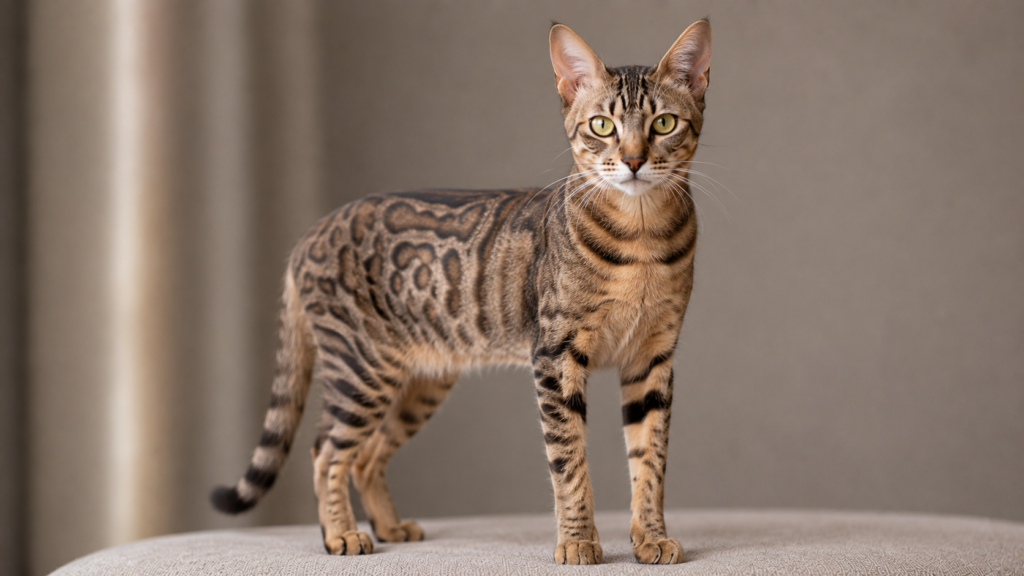
About the Sokoke
History and Origins
The Sokoke is one of the rarest domestic cat breeds in the world, and unusually among modern breeds it was not designed by anyone. It descends from a wild-living population native to the Arabuko-Sokoke Forest on Kenya’s eastern coast, where local Giriama people knew the cats as khadzonzo, meaning roughly “looks like tree bark” — a direct reference to the coat.
In 1978, Jeni Slater found a litter of these kittens on her coconut plantation bordering the forest and began raising them. A few were sent to Denmark in the 1980s, where European breeders established the first pedigree lines, and a second import of Kenyan foundation cats followed in the 1990s to broaden the gene pool.
Genetic study has since confirmed the Sokoke is not a wild hybrid but a distinct landrace of domestic cat from the Asian domestic lineage, shaped entirely by natural selection in a coastal forest. Recognition came from FIFe and TICA, but the breed remains extraordinarily scarce, with only a small number of breeders worldwide.
Personality and Temperament
Sokokes are active, athletic and intensely curious — a forest cat’s temperament in a house cat’s body. They climb constantly, investigate everything, and stay busy in a way that suits people who enjoy watching a cat actually do things.
They are strongly family-oriented and form close, loyal bonds, following their people around and involving themselves in household activity. Many are described as dog-like in their attachment and their willingness to greet guests. They are communicative without being loud, using chirps and trills more than demanding meows.
Sokokes are also notably social with each other, retaining a cooperative streak from their free-living ancestry, and they generally do well with other cats and with dogs. Sensitive and quick to read a room, they prefer stable households, and they are emphatically not a breed that tolerates being left alone all day with nothing to do.
Care and Grooming
The coat is short, close-lying and almost entirely without undercoat, which makes grooming trivial: a weekly once-over with a rubber brush or grooming mitt is enough, and shedding is minimal.
That missing undercoat has one practical consequence — Sokokes feel the cold. They need a warm home, draught-free sleeping spots and warm beds, and they are not a breed for a chilly house or for outdoor living in a cold climate.
The substantial work is exercise. This is a genuinely high-energy, athletic cat that needs tall climbing structures, sturdy shelves, secure high perches and daily interactive play. Many take readily to leash training and to puzzle feeders, both of which help burn energy. Provide plenty of vertical territory or the cat will make its own out of your bookcases. Round out care with nail trims, ear checks and regular tooth brushing.
Health and Lifespan
The Sokoke is a genuinely healthy breed with an average lifespan of 12–15 years, sometimes longer. Because it developed through natural selection rather than selective breeding for appearance, it carries none of the manufactured structural problems seen in some engineered breeds, and there are no known breed-specific inherited diseases and consequently no breed-specific DNA test to demand.
That said, the tiny founding population is itself the risk. With so few cats worldwide, the gene pool is narrow, and responsible breeders manage this carefully through outcrossing programmes and, where permitted, importing fresh Kenyan foundation stock. Ask any breeder directly how they manage genetic diversity and what the inbreeding coefficient of the litter is — with this breed, that question matters more than any disease test.
Routine care covers the rest: annual veterinary examinations, core vaccinations, parasite prevention, dental hygiene, a quality diet and a healthy weight. Keep the cat warm given the lack of undercoat, and keep it indoors or in a secure enclosure, both for its safety and because these cats are far too valuable and too curious to roam.
Cost and Is the Sokoke Right for You?
Expect to pay roughly $1,000 to $2,000 for a Sokoke kitten, though price is almost beside the point: the real obstacle is availability. There are very few breeders, most of them in Europe, and buyers typically face long waiting lists, import arrangements and shipping costs on top of the purchase price.
The Sokoke suits experienced, active owners who want an unusual, intelligent, athletic cat and can supply serious climbing space, daily engagement and a warm home. They do well in multi-pet households and with older children.
They are wrong for anyone wanting a placid lap cat, for cold homes, for households empty all day, and for buyers who want a kitten quickly — patience is a requirement, not an option.
Explore More
If you are drawn to lean, athletic, wild-patterned cats, compare the Egyptian Mau, the desert-bred Arabian Mau and the spotted Ocicat. For another rare African-linked breed, see the Serengeti, or browse all cat breeds.
Frequently Asked Questions
No. Despite its forest origins and wild look, genetic testing has confirmed the Sokoke is a fully domestic cat from the Asian domestic lineage, not a cross with any wild species. It is a landrace shaped by natural selection in Kenya's Arabuko-Sokoke Forest rather than a deliberately created hybrid, so it has no wildcat ancestry and needs no special permits.
Extremely rare — it is regularly listed among the rarest domestic breeds in the world. Only a small number of breeders exist, most of them in Europe, and the entire pedigree population descends from a handful of Kenyan foundation cats. Buyers in the United States should expect long waiting lists and often the cost and complexity of importing.
The Sokoke has a distinctive modified classic tabby pattern in which the markings appear hollowed out, producing a rippled effect that closely resembles wood grain or tree bark. The local Giriama name khadzonzo refers directly to this. The coat is short, close-lying and glossy, with almost no undercoat, which is also why the breed dislikes cold.
No breed-specific inherited diseases are currently known, which is unusual and reflects its origins in natural selection rather than selective breeding. The genuine concern is the very small gene pool. Ask breeders how they manage genetic diversity, whether they outcross, and what the litter's inbreeding coefficient is — that matters more here than any single DNA test.
Not ideally. They are high-energy, highly intelligent and demanding of engagement, needing serious climbing space, daily interactive play and company for much of the day. They also feel the cold and need a warm home. Active, experienced owners who want an involved, dog-like cat will enjoy them; someone wanting a quiet, low-effort lap cat will not.